
What is the Nutritional Value of Basmati Rice?

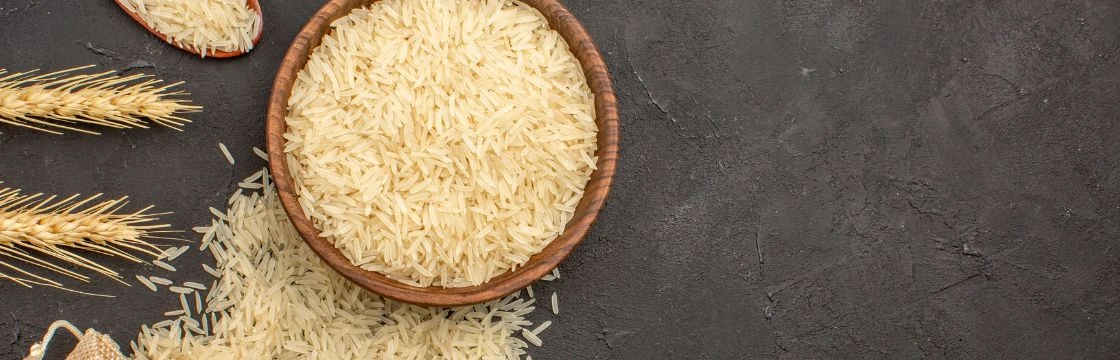
Basmati rice is primarily a source of complex carbohydrates that provide sustained energy. It is naturally low in fat, contains a modest amount of plant-based protein, and, unlike many white rice varieties, has a comparatively lower Glycemic Index, meaning it releases energy more gradually. Brown basmati rice additionally offers higher fibre due to its intact bran layer.
There is something deeply familiar about the fragrance of basmati rice as it cooks. Across millions of Indian kitchens, from everyday dal-chawal to Sunday biryanis, basmati has earned its place not just through aroma and texture, but as a dependable, nourishing staple.
What Does Basmati Rice Primarily Provide?
Basmati rice, like most whole grains, is fundamentally a source of carbohydrates. This is not a flaw, it is its core nutritional function. Carbohydrates are the body’s preferred and most efficient energy source, and for active individuals, growing children, and those with physically demanding routines, basmati plays an important role in sustaining energy through the day.
Beyond carbohydrates, basmati also contributes a modest amount of plant-based protein. It is not a complete protein source on its own, which is exactly why the traditional Indian pairing of rice with dal is so nutritionally sound. Legumes provide the complementary amino acids that rice does not carry in abundance.
If you are comparing basmati rice with other everyday grains, read our full article on is basmati rice healthy.
Basmati rice works best when understood as an energy-providing foundation for a meal, not as a standalone nutrition source. Its value lies in what it enables around it: the dal, the sabzi, the proteins, the yogurt. The plate tells the full story.
What Makes Basmati Different From Other Rice Varieties?
Not all rice is the same, and basmati occupies a distinct position among rice varieties, not just in flavour and aroma, but in how the body processes it.
If you would like to understand aroma, grain length, texture, and cooking differences in more detail, read our guide on what makes basmati rice different from other types of rice.
One of the most significant nutritional qualities of basmati rice is its relatively lower Glycemic Index (GI) compared to many other varieties of white rice. The Glycemic Index measures how quickly a carbohydrate-containing food raises blood sugar levels after eating. A lower GI generally means a more gradual release of energy; rather than a sharp spike followed by a crash.
The reason basmati has sustained active, working populations across the subcontinent for centuries is not coincidence. Its slower-releasing energy profile and digestive ease have made it a grain of genuine nutritional standing, not just culinary preference.
Nutritional Qualities of Basmati Rice
| Lower Glycemic Index | Basmati releases energy more gradually than many other white rice varieties, a well-documented nutritional characteristic of the grain. |
| Naturally Gluten-Free | Basmati rice is naturally free of gluten, making it suitable for individuals with gluten sensitivity or those following a gluten-free diet. |
| Easy to Pair | Its mild, complementary flavour makes it ideal to pair with protein-rich foods like dal, legumes, and lean proteins for a complete meal. |
How to Build a Balanced Meal Around Basmati Rice
The most important nutritional truth about basmati rice is that it performs best as part of a thoughtfully composed plate. No single ingredient defines a balanced diet, what matters is the combination, the variety, and the portions.
- Add a Legume: Dal, rajma, chole, or moong bring the protein and fiber that complete the plate.
- Load Up on Vegetables: At least half your plate should have colour, micronutrients and fibre that rice is light on.
- Include a Protein: Paneer, eggs, chicken, fish, or tofu. A protein source slows digestion and improves satiety.
- Add a Probiotic Side: Yogurt or chaas supports gut health and adds calcium, the classic combination nutritional science has validated.
A simple rule that works: rice should occupy roughly a quarter of your plate. Fill the remaining three quarters with vegetables, a protein, and a legume-based dish. This is not a restriction, it is simply how the traditional thali was always designed.
The cooking method also affects texture and meal experience. See our step-by-step guide to cook basmati rice perfectly for the best results.
Conclusion
Basmati rice has earned its place in kitchens across generations, and that endurance is not accidental. As a carbohydrate source with a comparatively lower Glycemic Index than many white rices, natural gluten-free status, and a digestibility that suits a wide range of people, it holds up well as a grain of genuine nutritional standing.
The nutritional value of basmati rice is best appreciated in context, as a thoughtfully portioned foundation for a balanced plate, not as a standalone health food. Pair it well, portion it wisely, and choose it with the quality it deserves.
At India Gate Foods, our commitment has always been to the grain itself, its authenticity, its quality, and the assurance that what reaches your kitchen is the best version of what basmati can be. Because a good meal truly does begin with good ingredients.
For a complete overview of varieties, nutrition, cooking uses, and benefits, explore our Basmati Rice Guide: Benefits, Types, Nutrition & Best Uses Explained.
FAQs
Is basmati rice suitable for everyday meals?
Yes. When served as part of a balanced plate that includes vegetables, a protein source, and a legume, basmati rice is a perfectly suitable and nourishing part of daily meals. The key is balance across the whole plate, not the rice in isolation.
Does basmati rice have a lower Glycemic Index than other rice?
Yes. Basmati rice, particularly white basmati rice, generally has a lower glycemic index than many common white rice varieties. This means it tends to release glucose into the bloodstream more gradually. Brown basmati has a slightly lower GI still, owing to its intact bran layer.
What is the difference between white and brown basmati rice nutritionally?
Brown basmati retains its outer bran layer, meaning it contains more fibre and certain micronutrients compared to white basmati. However, white basmati is easier to digest and still compares favourably to other white rices in terms of its GI profile. Both are good choices, the right one depends on your health goals and digestive comfort.
Is basmati rice good for weight management?
No single food determines weight outcomes, overall dietary balance and portion awareness matter far more. That said, basmati rice’s relatively lower GI means it contributes to a more steady energy release, which can support satiety when combined with protein and fibre-rich foods on the same plate.
How much basmati rice should I eat in a meal?
Portion needs vary by individual, activity level, age, and health status, and specific guidance is best sought from a registered nutritionist or dietitian. As a general principle, rice works best when it forms one portion of a varied plate that includes vegetables, protein, and legumes.
Category: Blogs