
Basmati Rice Guide: Benefits, Types, Nutrition & Best Uses

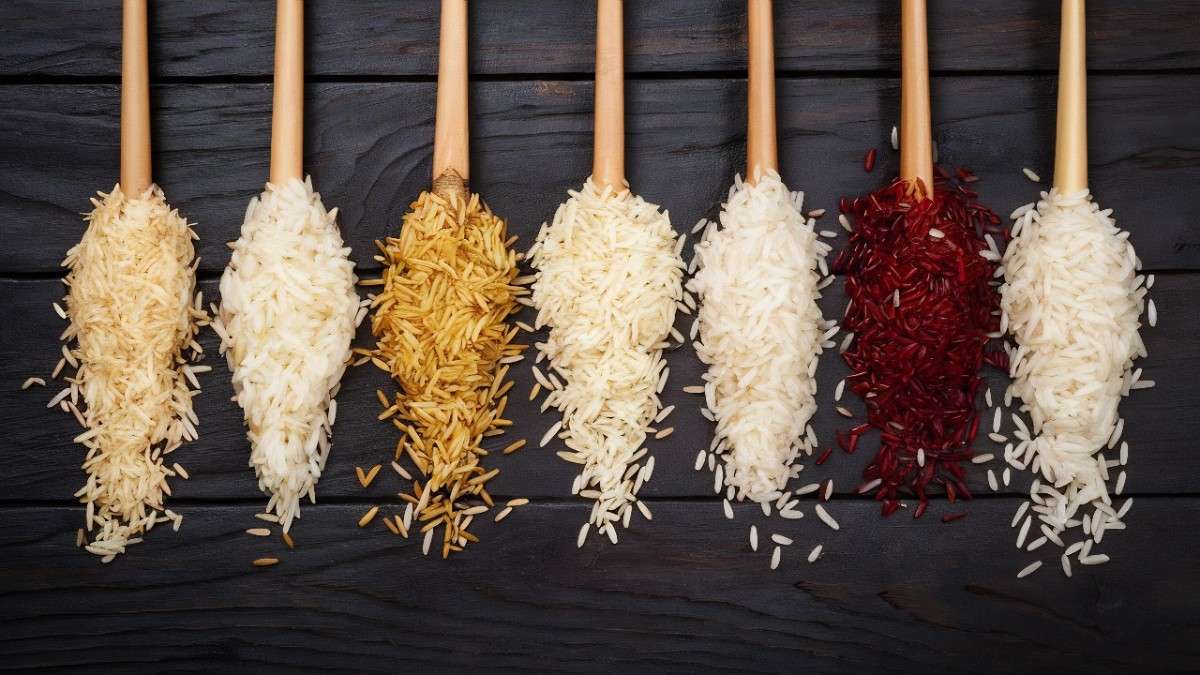
Basmati rice is one of the most popular rice varieties known for its long grains, rich aroma, and light texture. Leading brands like India Gate Basmati Rice have helped make it a staple choice in Indian kitchens for both everyday meals and premium dishes like biryani.
In this guide, you will find clear answers, expert tips, and practical insights to help you choose, cook, and use high-quality basmati rice the right way.
Quick Answers About Basmati Rice
- Can you eat basmati rice every day?
Yes, when eaten in moderate portions with protein and vegetables. - Which is the best basmati rice to buy?
Aged long-grain basmati rice is best for aroma, taste, and texture.
What is Basmati Rice?
Basmati rice is a long-grain aromatic rice variety known for its fragrance and fluffy texture after cooking.
It is mainly grown in the Indian subcontinent and is ideal for dishes where separate and non-sticky rice grains are required.
What Makes Basmati Rice Different from Regular Rice?
The main difference between basmati rice and regular rice is in grain length, aroma, and texture.
- Long and slender grains
- Natural aroma while cooking
- Non-sticky and fluffy texture
This makes it perfect for dishes like biryani, where grain separation is important.
What Are the Different Types of Basmati Rice?
There are three main types of basmati rice varieties:
- White basmati rice – commonly used, soft texture, quick cooking
- Brown basmati rice – higher fiber, better for health-conscious diets
- Aged basmati rice – stored longer for better aroma and longer grains
Aged premium basmati rice is usually the best choice for special dishes.
What Most People Miss: Basmati rice is also categorized by its age. Premium Basmati is aged for one to two years before it is sold. Aging dries out the grain, which makes it cook up fluffier and enhances its signature nutty aroma.
Nutritional Value of Basmati Rice
Basmati rice nutrition mainly includes carbohydrates for energy, along with small amounts of protein.
- Low in fat
- Brown basmati offers more fiber
It works best when combined with dal, vegetables, or protein-rich foods.
Is Basmati Rice Healthy for Daily Consumption?
Yes, basmati rice for daily use is a good option when eaten in proper portions.
It is light on the stomach and fits well into regular Indian meals like dal-chawal or sabzi-roti combinations.
Learn more about whether basmati rice is healthy for daily consumption and how to include it in a balanced diet.
How to Choose the Right Basmati Rice
Choosing the best quality basmati rice depends on a few key factors:
- Long, uniform grain size
- Natural aroma
- Proper aging (1–2 years)
- Minimal broken grains
For biryani, always prefer extra-long aged basmati rice.
Many households prefer trusted options like India Gate Basmati Rice for consistent quality and cooking results.
Best Basmati Rice for Different Dishes
Different dishes require different types of basmati rice for cooking:
- Biryani Basmati Rice: Extra-long aged basmati rice
- Daily meals: Regular white basmati rice
- Healthy meals: Brown basmati rice
- Pulao or fried rice: Medium to long grain basmati
If you are looking for the best briyani basmati rice and want to know how to choose the best rice for briyani you should read our detailed guide on this.
How to Cook Basmati Rice Perfectly
To get perfectly cooked basmati rice, follow these steps:
- Wash rice 2–3 times
- Soak for 20–30 minutes
- Use correct water ratio (approx. 1:2)
- Cook on low heat
This ensures long, fluffy, and separate grains.
Read our complete guide on how to cook basmati rice perfectly for fluffy, non-sticky grains every time.
Common Mistakes While Cooking Basmati Rice
Avoid these common errors while cooking basmati rice properly:
- Not soaking the rice
- Using too much water
- Overcooking
- Stirring frequently
These mistakes can make rice sticky or broken.
Expert Tips for Better Taste and Aroma
Improve your basmati rice cooking results with these simple tips:
- Add a little ghee or oil while cooking
- Use whole spices like cardamom or bay leaf
- Let rice rest after cooking
- Use a heavy-bottom pan
How to Choose the Best Basmati Rice Brand
With so many options on the shelf, finding the best Basmati rice can feel overwhelming. Here is what you should look for to ensure you are getting top quality:
- Grain consistency
- Proper packaging
- Aged rice mention
- Trusted brand reputation
Good quality rice always delivers better cooking results.
Conclusion
Basmati rice is a perfect combination of taste, aroma, and nutrition. Whether you are cooking daily meals or special dishes, choosing the right type and cooking it properly makes a big difference.
For consistent quality, aroma, and long grains, many households trust India Gate Basmati Rice to get the best cooking experience every time.
FAQs About Basmati Rice
Is basmati rice better than regular rice?
Yes, basmati rice is often considered better than regular rice because it has a natural aroma, longer grains, and a light, non-sticky texture after cooking. It is especially preferred for dishes like biryani and pulao where grain separation matters.
Can you eat basmati rice every day?
Yes, you can eat basmati rice daily if you maintain portion control and combine it with a balanced diet that includes vegetables, dal, and protein. It is easy to digest and fits well into regular meals.
Which basmati rice is the healthiest option?
Brown basmati rice is considered the healthiest option because it is less processed and contains more fiber, which helps you feel full for longer.
What is the glycemic index of basmati rice?
Basmati rice has a moderate glycemic index, which is generally lower than many other white rice varieties. This makes it a better choice for people looking to manage blood sugar levels when consumed in controlled portions.
Why is aged basmati rice considered better?
Aged basmati rice is considered better because the grains become drier over time, which helps them cook longer, fluffier, and more separate. Aging also enhances the natural aroma and overall cooking quality.
Category: Blogs