
Is Basmati Rice Healthy? Nutrition, Benefits & Calories

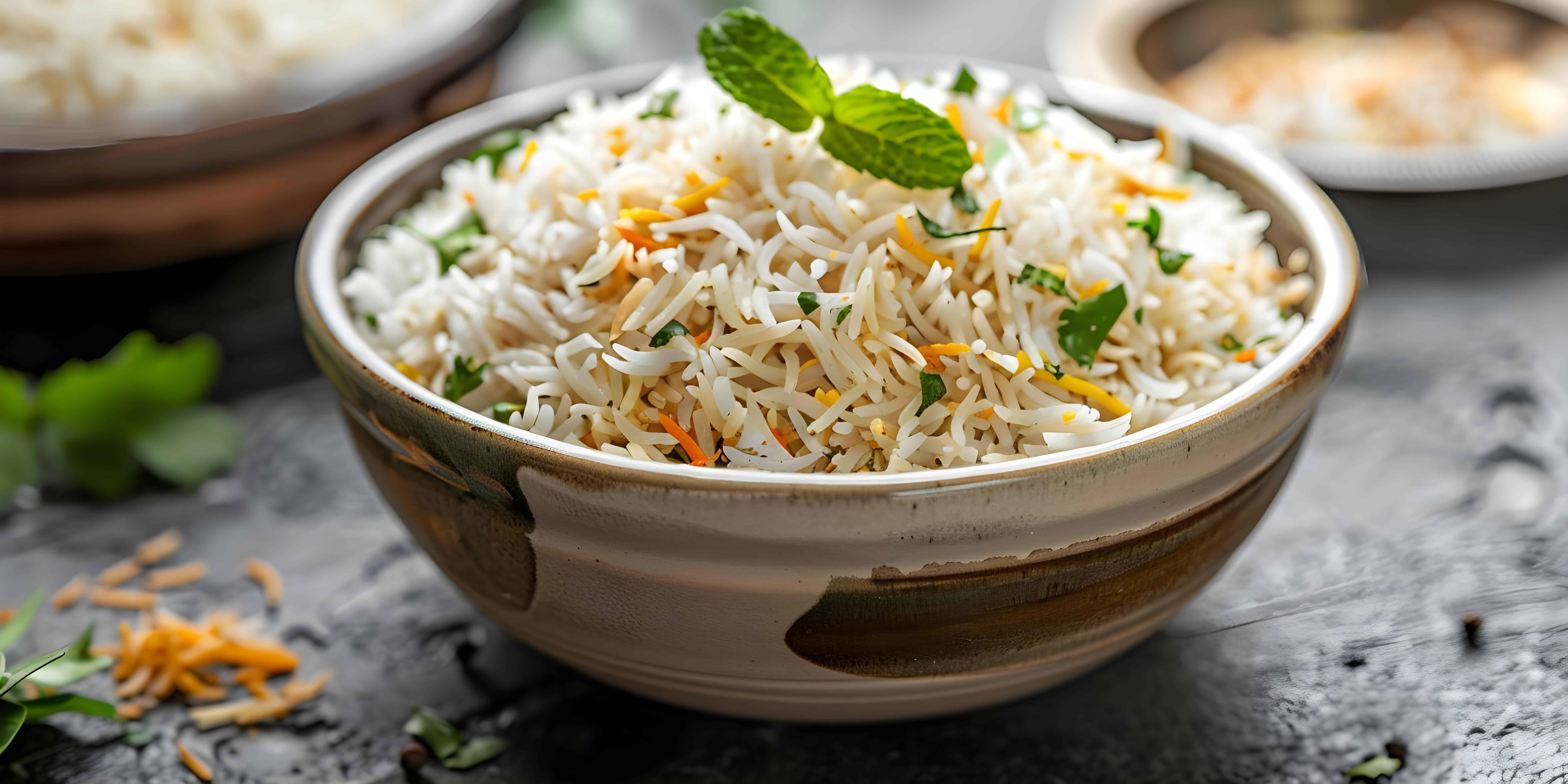
Yes, Basmati rice can be a healthy addition to a balanced diet when consumed in moderate portions. It provides carbohydrates for energy, small amounts of protein, and essential nutrients, and it is naturally gluten-free. Many households choose high-quality basmati rice from trusted brands like India Gate, which is known for delivering both great taste and consistent quality.
Rice is one of the most widely consumed staple foods worldwide, and basmati rice is particularly valued for its flavor, aroma, and versatility. Along with its culinary appeal, many people also want to know whether basmati rice is a healthy food choice.
Understanding the nutritional profile of basmati rice can help you make informed decisions about including it in your everyday meals.
Nutritional Value of Basmati Rice
A serving of cooked basmati rice provides nutrients that help support daily energy needs.
Typical nutrients found in basmati rice include:
- Carbohydrates, which serve as the body’s primary energy source
- Small amounts of protein
- Low fat content
Because basmati rice is naturally gluten-free, it can be consumed by individuals who avoid gluten-containing grains.
Calories in Basmati Rice
The calorie content of basmati rice depends on the portion size and the variety being consumed.
On average:
- Cooked white basmati rice: around 120–130 calories per 100 grams
- Brown basmati rice: slightly higher calories but more fiber
Maintaining balanced portion sizes ensures that rice remains part of a healthy diet.
Health Benefits of Basmati Rice
- Provides Energy
The carbohydrates in basmati rice provide the body with energy needed for daily activities. This makes it an essential staple food in many households around the world. - Easy to Digest
Basmati rice is widely known for being light and easy to digest, which makes it suitable for regular consumption. - Naturally Gluten-Free
Since basmati rice contains no gluten, it is a suitable grain option for individuals who follow gluten-free diets.
White vs Brown Basmati Rice
Both white and brown basmati rice offer nutritional benefits.
White Basmati Rice
- Softer texture
- Faster cooking time
- Mild flavor
Brown Basmati Rice
- Higher fiber content
- More nutrients
Many households prefer high-quality basmati rice products from brands like India Gate, which provide consistent grain quality and flavor.
Can Basmati Rice Be Part of a Balanced Diet?
Yes, basmati rice can be included in a healthy diet when consumed in appropriate portions and paired with other nutritious foods.
Balanced meals may include basmati rice along with:
- Vegetables
- Lean proteins
- Healthy fats
Combining these foods helps improve the overall nutritional value of meals.
Final Thoughts
Basmati rice is more than just a flavorful grain—it can also be part of a balanced and nutritious diet when eaten in moderation. By choosing quality rice from trusted brands like India Gate, you can enjoy both excellent taste and reliable quality in your everyday meals.
FAQs
Does basmati rice contain essential nutrients?
Yes, basmati rice contains essential nutrients such as carbohydrates, small amounts of protein, and B vitamins like thiamine. It also provides minerals such as iron and magnesium.
How many calories are in basmati rice?
A typical serving of cooked basmati rice contains approximately 120–130 calories per 100 grams. The calorie content may vary slightly depending on the variety and cooking method. Brown basmati rice generally contains more fiber. Maintaining portion control and combining rice with vegetables and protein can help create balanced meals.
Is brown basmati rice healthier than white basmati rice?
Both white and brown basmati rice offer benefits. Brown basmati rice retains the outer bran layer, which provides higher fiber and more nutrients. White basmati rice, however, has a softer texture and cooks faster. Choosing between them depends on dietary goals, taste preferences, and the type of dish being prepared.
Can basmati rice be eaten daily?
Yes, basmati rice can be eaten regularly as part of a balanced diet when consumed in moderate portions. Pairing it with vegetables, legumes, lean proteins, and healthy fats helps improve the nutritional balance of meals. India Gate Everyday basmati rice is light and easy to digest, it is commonly included in everyday meals across many cuisines.
Category: Blogs