
What Makes Basmati Rice Different from Other Types of Rice

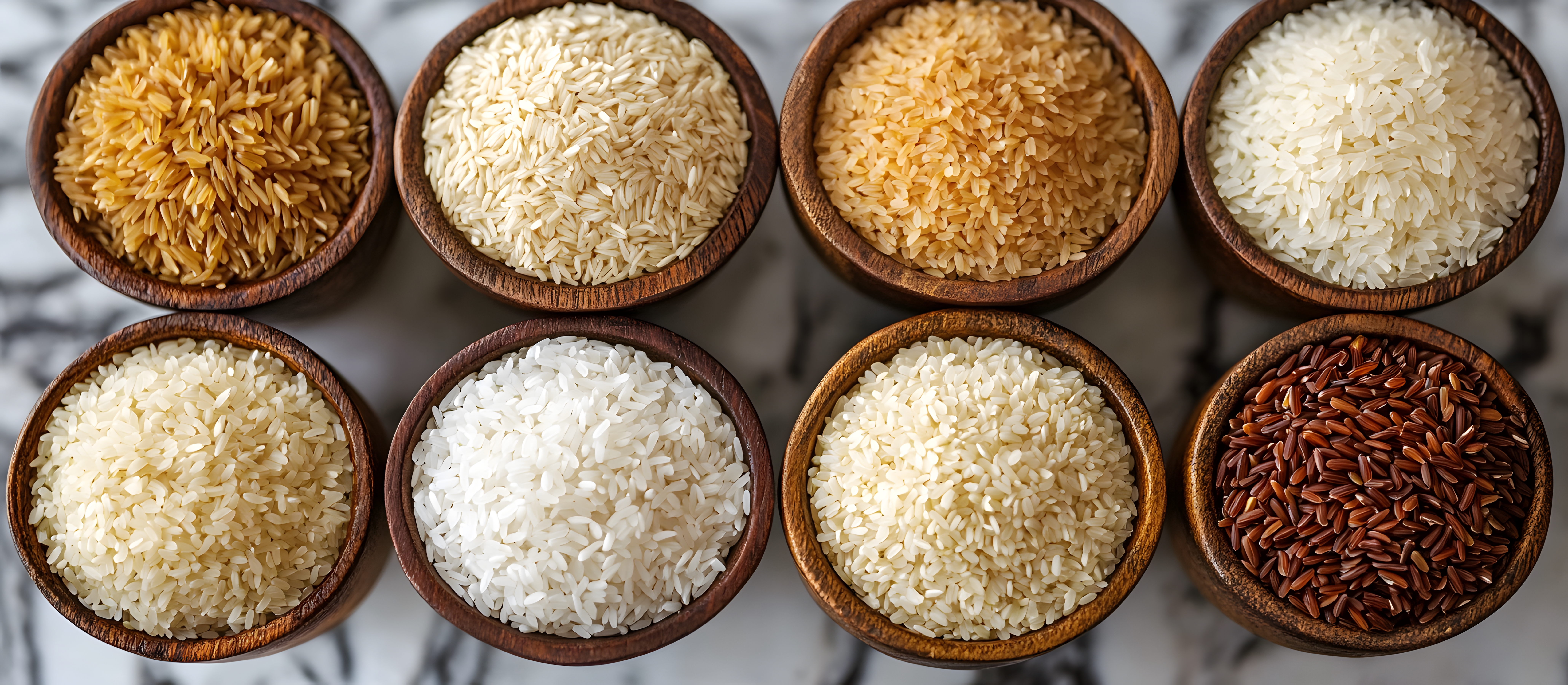
Basmati rice is different from other rice varieties because of its extra-long grains, distinctive natural aroma, fluffy non-sticky texture, and traditional aging process. When cooked, the grains elongate significantly and remain separate, making basmati rice ideal for dishes like biryani and pulao. India Gate is known for offering carefully aged basmati rice that enhances flavor, texture, and overall cooking performance.
Rice is a staple food enjoyed in many cuisines worldwide. However, not all rice varieties deliver the same cooking experience. Among the many types available, basmati rice is widely regarded as a premium choice because of its aroma, grain structure, and texture. These qualities make it a preferred option for both everyday meals and special dishes.
Unique Natural Aroma
One of the most noticeable characteristics of basmati rice is its distinct natural fragrance. The aroma comes from a naturally occurring compound known as 2-acetyl-1-pyrroline.
When basmati rice cooks, this compound releases a pleasant nutty fragrance that enhances the overall dining experience. This is one of the reasons why dishes like biryani and pulao taste more flavorful when prepared with high-quality basmati rice.
Well-known brands such as India Gate are recognized for preserving this natural aroma by sourcing and aging rice carefully.
Extra-Long Grain Structure
Another feature that makes basmati rice different from regular rice is its long and slender grain structure.
Unlike short-grain rice varieties that become sticky when cooked, basmati rice grains remain separate and elongated. In many cases, the grains can grow almost twice their original length after cooking.
This characteristic helps create beautifully textured dishes where each grain remains visible and fluffy.
Light and Fluffy Texture
The texture of basmati rice is another reason for its popularity. Once cooked, the rice becomes light, soft, and fluffy rather than sticky.
Because of this texture, basmati rice works perfectly for dishes such as:
- Biryani Basmati Rice
- Pulao Basmati Rice
- Fried rice
- Rice bowls
- Everyday Indian meals
The rice also absorbs spices and flavors effectively, which enhances the overall taste of many traditional recipes.
The Importance of Aging
A unique aspect of premium basmati rice is the aging process. Instead of being sold immediately after harvest, basmati rice is often stored for months or even years.
Aging improves several qualities of the rice:
- Enhances aroma
- Improves grain elongation
- Reduces moisture for better cooking results
Trusted brands like India Gate are known for offering carefully aged basmati rice that delivers consistent texture and fragrance.
Traditional Growing Regions
Authentic basmati rice is traditionally grown in regions near the Himalayan foothills in the Indian subcontinent. The unique soil, water, and climate conditions contribute to the rice’s distinctive aroma and grain structure.
Because of this heritage, basmati rice has developed a strong reputation as a premium rice variety worldwide.
Why Basmati Rice Is Popular Worldwide
The combination of aroma, long grains, and fluffy texture has made basmati rice popular in cuisines across the globe. It is widely used in South Asian, Middle Eastern, and international dishes.
India Gate has helped bring high-quality basmati rice to kitchens around the world, allowing home cooks to prepare flavorful and visually appealing rice dishes.
FAQs
Why is basmati rice considered better than regular rice?
Basmati rice is often considered superior to many regular rice varieties because of its long grains, unique aroma, and fluffy texture after cooking. Unlike short-grain rice that tends to become sticky, basmati grains remain separate and elongated. This makes it ideal for dishes like biryani and pulao where grain separation is important. High-quality basmati rice is also aged, which enhances both its flavor and cooking performance.
Why does basmati rice smell so aromatic?
The distinctive fragrance of basmati rice comes from a naturally occurring compound called 2-acetyl-1-pyrroline. This compound gives basmati rice its characteristic nutty aroma when cooked. The fragrance becomes more noticeable when the rice is aged and properly cooked. Because of this aroma, basmati rice is widely preferred for flavorful dishes such as biryani, fried rice, and other traditional recipes.
Does basmati rice expand more than other rice varieties?
Yes, basmati rice grains can expand up to twice their original length when cooked. This elongation happens because of the grain structure and the aging process. Unlike many other rice types that swell sideways and become sticky, basmati rice grows longer while staying separate and fluffy. This characteristic makes it ideal for premium rice dishes where appearance and texture are important.
Is basmati rice grown only in India?
Authentic basmati rice is traditionally grown in specific regions of the Indian subcontinent, particularly near the Himalayan foothills in India and Pakistan. The soil, climate, and water conditions in these areas contribute to the rice’s unique aroma and grain quality. Because of this geographical connection, basmati rice has a strong culinary heritage and is widely recognized as a premium rice variety.
Category: Blogs