
Blogs

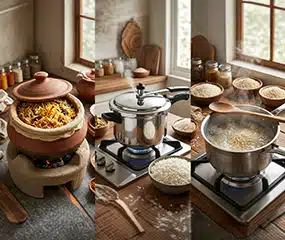
Dum vs Pressure Cooker vs Open Pot: Which Cooking Method Suits Which Rice?
Key Takeaways There's no single “best” biryani method, the right one depends on your rice, your batch…
Read More »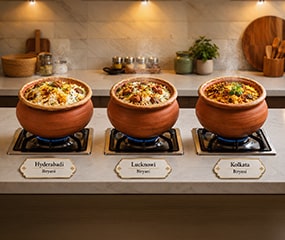
Hyderabadi vs Lucknowi vs Kolkata Biryani: What Actually Sets Them Apart
Key Takeaways The real difference between the three is not spice level. It is the cooking method:…
Read More »
The Exact Rice-to-Water Ratio for Biryani: Open Pot vs Pressure Cooker vs Dum
The exact rice to water ratio for biryani depends on which cooking method you are using, not…
Read More »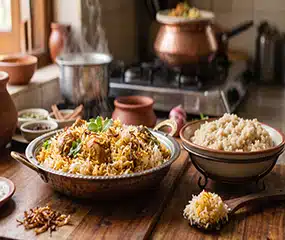
Why Does Biryani Rice Turn Mushy or Sticky? Here’s What’s Actually Going Wrong
Key Takeaways The #1 cause of mushy biryani is almost always the rice-to-water ratio, not “bad luck”…
Read More »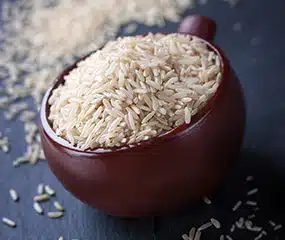
What is Sella Rice? How Golden Sella Basmati Differs from Regular Basmati
Sella rice is parboiled basmati rice, rice that has been partially boiled inside the husk before milling.…
Read More »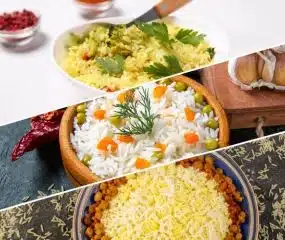
Gobindobhog vs Kaima vs Kolam Rice: What’s the Difference and Which One Should You Use?
Three short-grain rice, three completely different jobs in the kitchen. Gobindobhog is Bengal's sweet, sticky aromatic grain…
Read More »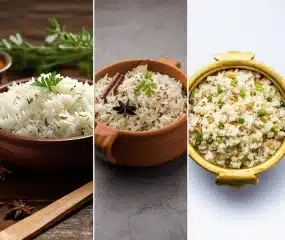
Which Rice is Best for Pulao? Basmati vs Jeera Rice vs Kolam Compared
If you have ever wondered why your pulao turns soggy with one rice and perfectly fluffy with…
Read More »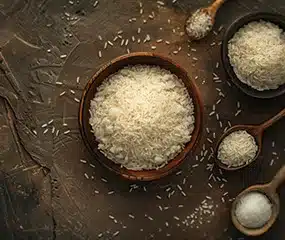
What is Mogra Rice and Mini Mogra Rice and How Are They Different?
Mogra rice is a type of broken basmati rice, produced from the same premium basmati paddy as…
Read More »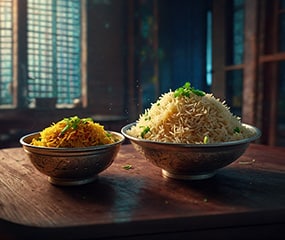
Basmati vs Seeraga Samba for Biryani: Which Rice Actually Wins?
Ask ten biryani cooks which rice belongs in the pot and you'll get ten different answers, each…
Read More »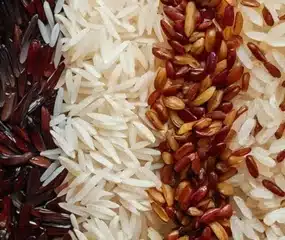
7 Regional Biryani Styles and the Rice Each Uses
Biryani is one of those dishes that every region in India claims as its own, and rightfully…
Read More »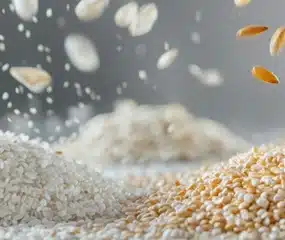
Long Grain vs Short Grain Rice for Biryani: A Simple Guide
For biryani, long grain rice, especially aged basmati, is the gold standard. Its low starch content, longer…
Read More »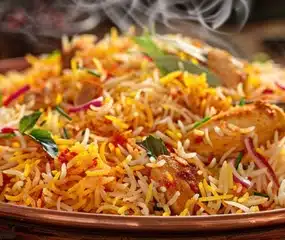
Complete Guide to Biryani Rice: Which Type and Variety to Choose
The best rice for biryani is aged, long-grain basmati rice because it cooks into separate, fluffy, aromatic…
Read More »