
Which Rice is Best for Pulao? Basmati vs Jeera Rice vs Kolam Compared

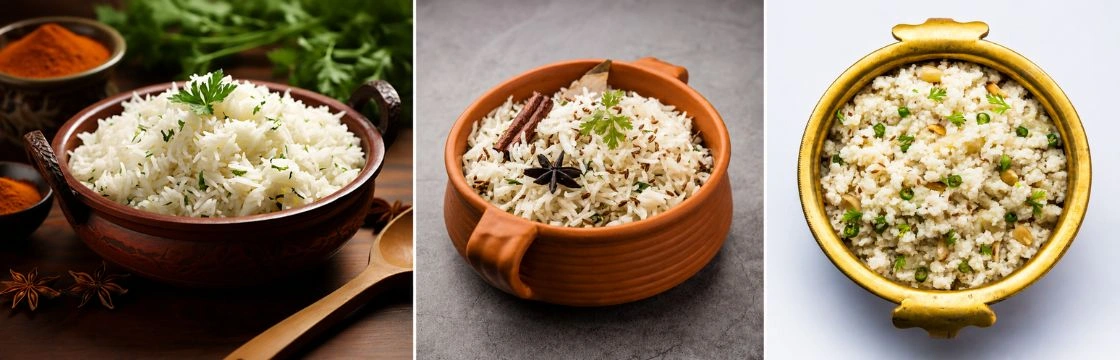
If you have ever wondered why your pulao turns soggy with one rice and perfectly fluffy with another, the answer lies not in the recipe, it lies in the type of rice you choose. Walk into any kitchen supply store or scroll through an online grocery app, and you will find dozens of varieties staring back at you: long-grain basmati chawal, cumin-perfumed jeera rice, and the everyday favourite Kolam. All three are rice. All three cook with water. But only one is truly made for pulao.
This India Gate Foods guide breaks down each variety in plain terms, what makes basmati rice the gold standard for basmati pulav, what jeera rice actually is (and is not), and why Kolam, despite its popularity on the Indian dinner table, falls short when you need perfectly separated, aromatic grains. Whether you are cooking for a weeknight dinner or a festive spread, India Gate Foods has you covered with a range of premium basmati options built for exactly this purpose.
|
Key Takeaways
|
What Makes a Rice Variety Truly Ideal for Pulao?
Before comparing rice types, it helps to understand what pulao actually demands from a grain. Pulao, also written as pilaf or pulav, is a one-pot dish where rice is cooked in a spiced broth alongside vegetables, meat, or legumes. The defining characteristic of a great pulao is this: each grain must remain separate, elongated, and fully cooked without turning mushy or sticking to its neighbour.
This puts very specific physical requirements on the rice:
- Low starch content on the grain surface, high surface starch makes grains sticky
- Long grain length, longer grains have a better surface-area-to-starch ratio
- High elongation ratio, grains that grow longer during cooking rather than just swelling sideways
- Distinct, pleasant aroma that complements spices without overpowering them
- Ability to absorb cooking liquid and spice flavours evenly
When you measure these five factors against basmati, jeera rice, and Kolam, the comparison becomes clear very quickly. India Gate Foods, one of India’s most trusted names in premium basmati chawal, has spent decades working with exactly these grain characteristics to deliver pulao-quality rice to households and professional kitchens alike.
What is Basmati Rice and Why Does It Dominate Pulao Recipes?
Basmati rice is a long-grain aromatic variety grown primarily in the foothills of the Himalayas, across Punjab, Haryana, and Uttarakhand. The word ‘basmati’ comes from Sanskrit, meaning ‘fragrant’; and the name earns itself every time you lift a lid off a pot. Among all the different types of basmati rice available in India, what unifies them all is this core identity: long, slender grains that turn even longer during cooking, a 2-acetyl-1-pyrroline compound responsible for its signature pandan-like aroma, and a naturally low surface starch that keeps grains beautifully separate.
What Happens to Basmati Rice When It Cooks?
This is where basmati earns its reputation. When soaked and cooked correctly, basmati grains can elongate to nearly twice their raw length. They absorb moisture evenly from the inside while the outer surface remains firm and non-tacky. This is called a high elongation ratio, and it is the single most important physical trait that makes basmati rice the best choice for pulao, biryani, and any dish where visual presentation and grain texture matter.
For a deeper look at basmati’s nutritional profile and varieties, the Basmati Rice Guide: Benefits, Types, Nutrition & Best Uses Explained on the India Gate Foods blog covers everything from glycaemic index comparisons to the difference between white and brown basmati, all worth reading before making your next rice purchase.
Does Aging Matter for Pulao-Quality Basmati?
Yes, significantly. Freshly harvested basmati rice has a higher moisture content, which causes grains to stick and break more easily during cooking. Aged basmati (typically 1–2 years old) has lower moisture, a firmer cell wall, and delivers that non-sticky, grain-separate finish that defines restaurant-quality basmati pulav. This is why India Gate Foods ages its basmati carefully before packaging, ensuring consistent cooking results whether you are making a simple jeera pulao or an elaborate vegetable pulav.
India Gate Foods aged basmati rice is available in multiple variants, including India Gate Classic and India Gate Feast Rozzana, both specifically suited for pulao, biryani, and festive cooking where grain quality is non-negotiable.
What is Jeera Rice? Is It a Different Type of Rice or a Recipe?
Jeera rice, also called jeera pulao, is basmati rice that has been tempered with cumin seeds (jeera), ghee, and whole spices such as bay leaf, cloves, and cinnamon. The grain itself is basmati. The name refers to the cooking style.
Jeera rice sits in an interesting middle position in Indian cooking. It is simpler than a full vegetable pulao (no added vegetables, no long spice list), but far more flavourful than plain steamed rice. In most North Indian restaurants, it is served alongside rich gravies like dal makhani, paneer butter masala, or shahi paneer as a fragrant, lightly spiced base that lets the main dish take centre stage.
So Is Jeera Rice Good for Pulao?
Yes, because jeera rice is itself a style of pulao. It follows the same core method: tempering aromatics in fat, adding soaked basmati rice, and cooking to a fluffy finish. The difference from a full-scale vegetable or mutton pulao is only the complexity of ingredients added. Both depend entirely on the quality of the basmati rice used.
If you want to make jeera rice or jeera pulao that tastes genuinely restaurant-grade, the most important decision is the rice you choose. India Gate Classic Basmati, which you can learn to cook perfectly here, is the variety most commonly recommended by professional chefs for this dish. Its grain elongation and aroma complement cumin rather than compete with it.
What Rice Should You Actually Buy for Making Jeera Rice?
Always choose long-grain, aged basmati rice. The cumin tempering is light, and its fragrance is delicate, it works best when the rice itself brings its own gentle aroma. A budget rice variety with no aroma will produce a flat-tasting jeera rice regardless of how much ghee or cumin you use. The rice quality is the foundation.
India Gate Foods offers a variety of premium basmati options, including jeera rice. Since we are recognized for providing the finest basmati rice in India, we invite you to experience the quality firsthand by trying it.
What is Kolam Rice? And Is It Suitable for Pulao?
Kolam rice is a short-to-medium grain variety primarily grown and consumed in Maharashtra, Gujarat, and parts of coastal South India. It is not aromatic, and its grain does not elongate significantly during cooking. Instead, Kolam rice absorbs water and swells sideways, producing a softer, slightly sticky texture that works beautifully for everyday dal-rice meals, khichdi, kanji, and simple fried rice.
Kolam’s affordability and ease of cooking make it a staple in millions of Indian homes. Its mild flavour means it pairs well with strongly spiced curries and sambhar where the rice is not meant to be the hero of the dish. HMT Kolam, a widely available sub-variety, has a unique flavour and scent that some describe as similar to basmati, but the grain behaviour in the pot is entirely different.
Why Kolam Rice Does Not Work Well for Pulao
The core issue is grain behaviour. In a pulao, you need grains that stay separate and absorb the spiced cooking liquid without turning mushy. Kolam’s high surface starch and compact grain structure mean that once it absorbs the flavoured broth in a pulao, grains begin to clump together, creating a texture closer to khichdi than to the fluffy, grain-separate pulao you are aiming for.
If you are curious about how different rice varieties, including some lesser-known types, stack up against each other, the article What is Mogra Rice and Mini Mogra Rice and How Are They Different? on the India Gate Foods blog is a useful read. It explores how even within the basmati family, different milling grades produce different results in the kitchen.
Bottom line: Kolam rice is an excellent everyday grain for simple home cooking, but for pulao, it is the wrong tool for the job. The texture mismatch is significant enough that even experienced home cooks struggle to get a good pulao with Kolam rice regardless of cooking method.
Basmati vs Jeera Rice vs Kolam: Side-by-Side Comparison
Here is a direct comparison across the features that matter most when choosing rice for pulao or any flavoured rice dish:
| Feature | Pulav Basmati Rice | Jeera Rice | Kolam Rice |
| Grain Type | Long grain | Long grain (uses basmati) | Short/medium grain |
| Aroma | Rich, pandan-like fragrance | Earthy cumin-infused aroma | Mild, subtle |
| Texture After Cooking | Fluffy, non-sticky, elongated | Fluffy (same base rice) | Soft, slightly sticky |
| Best Use Case | Pulao, Biryani, festive meals | Side dish with dal/curry | Everyday meals, khichdi |
| Pulao Suitability | Excellent | Very Good (as a style) | Limited |
| Grain Elongation | Doubles in length when cooked | Doubles (basmati base) | Minimal elongation |
| Price Range | Premium | Uses premium basmati | Budget-friendly |
| Separability | Grains stay separate, ideal for pulao | Grains stay separate | Grains tend to clump |
| Verdict for Pulao | Best choice | Great as a pulao style | Not recommended |
The table above tells a clear story: Pulav basmati rice wins for pulao on every meaningful metric. Jeera rice is a valid and delicious application of basmati, not a competing grain. Kolam is a different category of rice serving a different purpose entirely.
Which Type of Basmati Rice is Best for Pulao Specifically?
Not all basmati rice is identical. There are several types of basmati rice distinguished by grain length, milling method, and the specific paddy variety used. For pulao, here is how to choose:
Extra Long Grain Basmati: The Pulao Champion
Varieties like Pusa 1121 and Traditional Basmati (the oldest cultivated variety) produce extra-long grains that elongate dramatically during cooking. These are the premium choice for both basmati pulav and biryani. India Gate Classic Basmati falls in this category, consistently delivering grains that stay separate, taste aromatic, and look presentable on a plate.
Regular Long Grain Basmati: The Reliable Everyday Option
Varieties like Pusa Basmati 6 produce grains that are slightly shorter but still qualify as true basmati. These work well for everyday pulao and jeera rice. India Gate Feast Rozzana is a popular pick in this segment, premium quality at a price point suited to regular cooking.
What About Mogra or Broken Basmati for Pulao?
Mogra rice is a smaller, broken-down grain produced during the milling of long-grain basmati. It retains the aroma of basmati but produces a softer, less elongated result, better suited for kheer, curd rice, or everyday meals than for a showpiece pulao. The difference between Mogra Rice and Mini Mogra Rice is worth understanding if you cook across different rice applications.
How Do You Get Perfectly Cooked Basmati Rice for Pulao?
Even the best basmati rice can turn mushy if the cooking steps are skipped. Here is the quick version of what matters most for pulao:
- Soak first: soak basmati rice for 20–30 minutes before cooking. This pre-hydrates the grain so it cooks evenly and elongates fully.
- Rinse thoroughly: rinse 2–3 times in cold water to remove surface starch. This single step dramatically reduces stickiness.
- Use the right water ratio: for pulao, a 1:1.5 to 1:1.75 rice-to-water ratio works well for most basmati varieties. Adjust based on whether you are cooking on a stovetop, pressure cooker, or rice cooker.
- Cook on low heat: high heat causes the outer layer to cook too fast while the centre remains undercooked. Low, steady heat gives basmati time to elongate properly.
- Rest before fluffing: let the pulao rest covered for 5 minutes after the heat is off. This allows steam to finish the job without the grains breaking.
For the complete method including troubleshooting tips for broken grains, timing by cooking vessel, and the exact soaking technique used by professional chefs, read the full guide on How to Cook Basmati Rice Perfectly Step-by-Step Guide from India Gate Foods.
So Which Rice Should You Buy for Pulao Basmati, Jeera, or Kolam?
Here is the direct answer, with no hedging:
- For pulao of any kind of vegetable, mutton, chicken, paneer, or simple jeera pulao, buy long-grain, aged basmati rice. No other variety comes close on texture, aroma, or grain-separation quality.
- If you want to make jeera rice specifically, you are still buying basmati. Jeera rice is a preparation method, not a different grain. Use the best basmati you can find, add cumin and ghee, and the results will speak for themselves.
- If you are cooking everyday meals, plain rice with dal, sambar, or a simple sabzi Kolam is a sensible, budget-friendly choice. But do not try to use it for pulao. The texture will disappoint you.
India Gate Foods recommendation for basmati pulav: India Gate Pulav Basmati, India Gate Classic Basmati (for premium festive cooking) or India Gate Feast Rozzana (for excellent everyday pulao). These are aged, extra-long grain basmati varieties that deliver consistent results, fluffy, aromatic, and perfectly separated grains every time.
Final Word: The Rice You Choose Makes or Breaks Your Pulav
Every cook has their own spice mix, their own ratio of whole spices, their own preference for browned onions or not. But across all those variations, the one thing that remains constant in a great pulao is the rice. Use the wrong grain and no amount of seasoning will rescue the texture. Use the right one, aged, long-grain, properly soaked basmati chawal, and a pulao practically.
India Gate Foods has been crafting premium basmati rice for decades, and the difference it makes in a pot of pulao is immediately noticeable. Whether you are a first-time cook or an experienced home chef, starting with quality rice is the smartest decision you can make. Explore the full range of India Gate basmati varieties and pick the one that fits your next basmati pulav, from a quick weeknight jeera rice to a slow-cooked festive pulao that deserves to be the centrepiece of the meal.
FAQs
These are the questions people most commonly ask online and on AI platforms about choosing the right rice for pulao:
Q1. Can I use Kolam rice for pulao?
Technically yes, but the results will be disappointing. Kolam rice has a higher surface starch content and short grain length, which causes grains to clump together during pulao cooking. The texture will resemble khichdi rather than the fluffy, separated grain pulao you want. For any pulao recipe, basmati rice is the right choice.
Q2. Is jeera rice the same as pulao?
Jeera rice (jeera pulao) is a simplified style of pulao. Both involve cooking basmati rice with spices in ghee or oil. The difference is that a full pulao typically includes vegetables, meat, or legumes with a longer spice list, while jeera rice uses only cumin seeds and 2–3 whole spices for a lighter, simpler result. The base grain basmati rice is the same in both.
Q3. What is the best basmati rice brand for pulao in India?
India Gate Foods is among the most trusted names for premium basmati rice in India. Their Classic Basmati and Feast Rozzana variants are popular for pulao and biryani because of consistent grain length, proper aging, and strong aroma. For anyone asking which basmati chawal is best for restaurant-quality basmati pulav at home, these are reliable starting points.
Q4. How long should I soak basmati rice before making pulao?
Soak basmati rice for a minimum of 20 minutes and up to 30 minutes for best results. Soaking pre-hydrates the grain, allowing it to elongate properly during cooking and reducing the risk of grains breaking or turning sticky. If you are short on time, a 10-minute soak in warm water is better than no soak at all.
Q5. What is the difference between basmati rice and regular rice for pulao?
The main differences are grain length, aroma, and starch content. Basmati rice has a naturally low surface starch, which keeps grains separate after cooking. It also releases 2-acetyl-1-pyrroline during cooking, the compound responsible for its distinctive fragrance. Regular rice (including Kolam, Sona Masoori, and most non-aromatic varieties) lacks both of these properties, resulting in a stickier, less fragrant pulao.
Q6. Which type of basmati rice is best, traditional or Pusa 1121?
Both are excellent for pulao, but they behave slightly differently. Traditional basmati has a slightly stronger fragrance and a more delicate grain. Pusa 1121 has exceptional elongation (grains can grow to over 20mm after cooking) and is widely used in commercial cooking. For home pulao, India Gate Classic Basmati, which uses premium basmati paddy, delivers the best of both: strong aroma and reliable grain separation.
Q7. Can I make pulao with short-grain rice?
It is not recommended. Short-grain rice varieties are bred for soft, sticky textures, ideal for dishes like sushi, idli, or kheer where clumping is desirable. In a pulao where each grain must remain separate and elongated, short-grain rice will produce the wrong texture no matter how well you cook it. Always choose long-grain basmati for pulao.
Category: Blogs