
What is Mogra Rice and Mini Mogra Rice and How Are They Different?

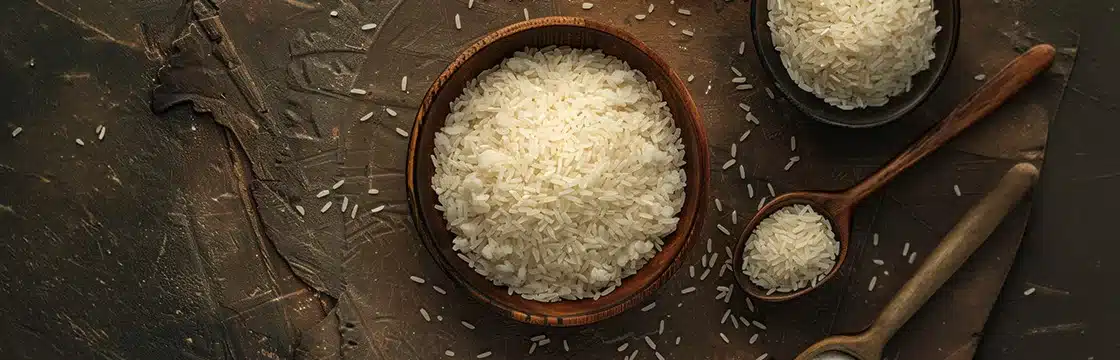
Mogra rice is a type of broken basmati rice, produced from the same premium basmati paddy as full-grain varieties but consisting of shorter, fragmented grains that result during milling. Mini mogra is a finer, further-broken grade of mogra with an even smaller grain size. Both varieties share basmati’s characteristic aroma but are priced more affordably than whole-grain basmati, making them ideal for everyday cooking, kheer, and porridge.
Key Takeaways
- Mogra rice is a broken basmati variety, shorter in grain but identical in aroma and variety to full-grain basmati.
- Mini Mogra is a further-broken, finer grade of mogra, smaller grain, softer texture, and the most affordable basmati option.
- Best uses: mogra excels in kheer, everyday rice dishes, and rice flour; mini mogra suits porridge, baby food, and South Indian payasam.
- India Gate Foods offers both India Gate Mogra Basmati and India Gate Mini Mogra Basmati, with consistent milling quality.
- Store in an airtight container away from moisture; broken basmati absorbs water faster than long-grain varieties.
What is Mogra Rice?
Mogra rice is a broken basmati rice variety produced during the milling of full-length basmati grains. It retains the authentic aroma, variety, and nutritional profile of basmati rice but has a shorter, fragmented grain structure. In India, mogra rice is graded below tibar and dubar in the basmati milling hierarchy and is commonly used in kheer, everyday rice dishes, and rice flour production. India Gate Mogra Basmati Rice is one of the leading mogra products available in the Indian market.
The word ‘mogra’ comes from Hindi, where it refers to the jasmine flower, a nod to the fragrant aroma that basmati rice, even in its broken form, retains after milling. This aromatic quality is what distinguishes mogra from generic broken rice; mogra is specifically broken basmati, not just any fragmented grain.
During the milling of premium basmati rice, grains inevitably fracture. These broken pieces rather than being discarded are graded, cleaned, and sold as mogra. The grain length is typically between 3–5 mm, compared to 7–9 mm for full-grain premium basmati. Despite the size difference, the variety is the same: the same paddy, the same soil, the same aroma compound (2-Acetyl-1-pyrroline).
What Does ‘Broken Basmati’ Actually Mean? Understanding the Milling Grade Hierarchy
When basmati paddy is milled, the process inevitably produces grains of varying lengths. The food industry, and FSSAI regulations classify these by grade:
- Tibar Rice (Tebar): Approximately three-quarter length grain. Closest to full-grain basmati in appearance and cooking behaviour.
- Dubar Rice (Dobar): Approximately half-length grain. Shorter than tibar, still used in pulao and light rice dishes.
- Mogra: Quarter-length or shorter broken grain. Soft, fast-cooking, ideal for kheer and everyday use.
- Mini Mogra Rice: The finest broken grade, very small fragments, sometimes referred to as ‘rice grits’ in industrial contexts. Used for porridge and flour.
This grading system is why mogra rice is priced significantly lower than full-grain basmati; it is a by-product of premium rice processing, not a lower-quality paddy. The basmati pedigree is identical. India Gate produces and sells both Mogra and Mini Mogra within this grading structure, making them accessible options for consumers who want authentic basmati aroma at an everyday price point.
What is Mini Mogra Rice?
Mini mogra rice is the finest broken grade in the basmati milling hierarchy — smaller and more fragmented than standard mogra. Grains are typically under 3 mm in length, producing a texture after cooking that is noticeably softer and more cohesive than mogra.
The key characteristics of mini mogra:
- Grain size: Under 3 mm, distinctly smaller than mogra’s 3–5 mm range.
- Cooking time: Faster than both full-grain basmati and standard mogra. Reaches a soft, almost porridge-like consistency with minimal water.
- Starch release: Higher, due to more surface area per grain. This makes it ideal for dishes that benefit from natural thickening.
- Price: The most affordable grade within the basmati family.
- Availability: India Gate Mini Mogra Basmati Rice is widely available on major e-commerce platforms.
Mogra vs Mini Mogra Rice: Side-by-Side Comparison
Use this table to quickly compare the two broken basmati grades available from India Gate:
| Feature | Mogra Rice | Mini Mogra Rice |
|
Grain Length |
Short-broken (3–5 mm) |
Very short-broken (< 3 mm) |
|
Texture After Cooking |
Soft, slightly sticky |
Very soft, porridge-like |
|
Best Dishes |
Kheer, dal-chawal, rice flour |
Porridge, baby food, payasam |
|
Price Range |
Budget-friendly |
Most economical basmati grade |
|
India Gate Product |
India Gate Mogra Basmati |
India Gate Mini Mogra Basmati |
Mini mogra is particularly popular in households that prepare kheer frequently, those with young children (where soft-cooked rice is needed), and in regions with strong traditions around rice-based porridges and desserts.
Note: Both India Gate Mogra Basmati and India Gate Mini Mogra Basmati are sourced from the same certified basmati paddy. The difference is grain size, not quality of origin.
What is Mogra Rice Used For? Best Dishes and Cooking Applications
Mogra rice’s broken grain structure is an advantage in a specific category of dishes — those where quick starch release, fast cooking, and soft texture are desirable. Here are the most common uses:
North Indian Uses
- Kheer (rice pudding): Mogra is the preferred rice for kheer across most of North India. It breaks down naturally in milk, creating a thick, creamy consistency without the need to pre-soak or crush the grains. India Gate Mogra produces a consistent, lump-free kheer.
- Everyday dal-chawal: For households that prefer softer rice with their dal, mogra delivers a more yielding texture compared to long-grain basmati — and cooks in significantly less time.
- Congee and rice porridge (kanji): Particularly popular in post-illness recovery meals, mogra-based kanji cooks to a smooth, easily digestible consistency.
- Rice flour production: Mogra’s broken grain structure makes it easy to grind at home into fine rice flour, suitable for dosa batter supplements, flatbreads, and fried snack coatings.
South Indian Uses
In South Indian cooking, small broken rice varieties have long been used in traditional preparations. Mini mogra, due to its even finer grain, is particularly common in:
- Semiya payasam alternative: Mini mogra can substitute semiya (vermicelli) in payasam preparations when a thicker, rice-based dessert is preferred.
- Rice kanji (congee): A staple in Tamil Nadu and Kerala households, especially during the monsoon season and for infant feeding, made with mini mogra for its soft, easily digestible texture.
- Appam and hoppers: Mogra rice flour, ground from India Gate Mogra, is used in some regional appam recipes to achieve the characteristic soft centre and crisp edge.
- Pongal: While traditional pongal uses raw rice, some households use mogra for a softer, creamier pongal texture, particularly in the sweet (sakkarai pongal) variant.
Which India Gate Mogra Rice Should You Buy?
India Gate Foods offers two broken basmati options within its range:
|
Product |
Best For |
Where to Buy |
|
India Gate Mogra Basmati Rice |
Kheer, everyday rice, dal-chawal, rice flour |
indiagatefoods.com, Amazon, Flipkart, Big Basket |
|
India Gate Mini Mogra Basmati Rice |
Porridge, payasam, baby food, rice kanji |
indiagatefoods.com, Amazon, Flipkart, Big Basket |
If your primary use case is kheer or everyday soft rice, India Gate Mogra is the right choice, it gives you that familiar basmati fragrance with a fast-cooking, soft grain. If you need the finest texture for porridge, baby food, or payasam, India Gate Mini Mogra is the better fit.
Storage tip: Broken basmati absorbs moisture faster than long-grain rice due to the higher exposed surface area per grain. Store both mogra and mini mogra in airtight containers, away from direct sunlight and moisture. Ideal storage temperature is below 25°C. Properly stored, both products retain freshness for up to 12 months.
FAQs
Is mogra rice good for biryani?
Mogra rice is not ideal for biryani. Biryani requires long, intact basmati grains that stay separate after cooking. Mogra’s broken grain structure leads to a mushy texture in layered dishes. For biryani rice selection, you can read our guide on How to Choose the Best Basmati Rice for Biryani.
Is mini mogra rice healthier than regular basmati?
Both come from the same basmati paddy and share similar nutritional profiles, including glycaemic index and micronutrients. The difference is grain size, not nutritional content. Mini mogra cooks faster due to its smaller grain, but it is not nutritionally superior or inferior to full-grain basmati.
Why is mogra rice cheaper than other basmati varieties?
Mogra is cheaper because it consists of broken grains that result from the milling and processing of full-grain basmati. These broken grains cannot be sold as premium long-grain rice, so they are graded separately and priced lower, despite retaining the same basmati aroma and variety credentials.
Can I use mogra rice for kheer?
Yes, mogra rice is one of the best choices for kheer. Its broken grain structure means it cooks down quickly, releases starch naturally, and produces a thick, creamy consistency without requiring extended cooking times. It is widely used in traditional Indian home cooking for exactly this reason.
What is the difference between dubar and mogra rice?
Dubar refers to ‘twice-broken’ basmati grains, larger fragments than mogra. Mogra is a further-broken, smaller grade. The general hierarchy from longest to shortest: Tibar (three-quarter grain) → Dubar (half grain) → Mogra (quarter grain) → Mini Mogra (fine broken). Each grade has different cooking times and best-use applications.
Can I use mogra rice to make rice flour at home?
Yes. Mogra is commonly used for home rice flour production because its broken grain structure is easier to grind than full-length basmati. The resulting flour is fine-textured and works well for flatbreads, batter, and South Indian snacks.
Does India Gate sell both mogra and mini mogra rice?
Yes. India Gate offers both India Gate Mogra Basmati Rice and India Gate Mini Mogra Basmati Rice. Both are available through major e-commerce platforms. The mini mogra variant is the finer, smaller-grain option suited for softer preparations.
Category: Blogs