
What is Sella Rice? How Golden Sella Basmati Differs from Regular Basmati

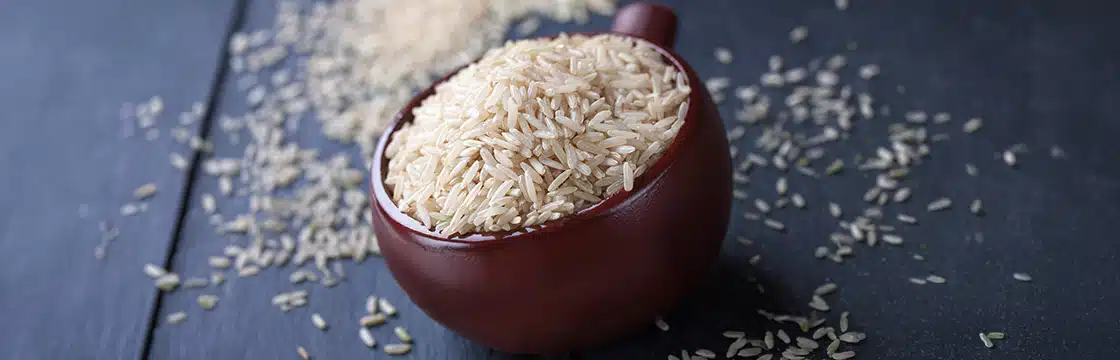
Sella rice is parboiled basmati rice, rice that has been partially boiled inside the husk before milling. This process gives sella grains a firmer texture that resists overcooking, making them ideal for large-scale biryani, catering, and long dum-cooking. Golden sella basmati has a natural yellowish tint from the parboiling process, while white sella skips that stage and retains a paler colour. Both are superior to regular basmati when you need grain integrity at high volume or extended cook times.
You know that feeling when you’ve cooked biryani with regular basmati and the grains just turn to mush halfway through? Or when you’re cooking for 50 people at a wedding and you simply cannot afford that mistake? That’s exactly the problem sella rice was made to solve, and yet most home cooks have never even heard of it.
Walk into any wholesale rice market in India: Khari Baoli in Delhi, Vashi APMC in Mumbai, or the rice mandis of Hyderabad, and you’ll hear the term ‘sella‘ or ‘golden sella basmati‘ thrown around constantly. Caterers swear by it. Wedding cooks won’t use anything else. And yet the average consumer buying a 5 kg bag at their local kirana has almost no idea what makes sella rice different from the regular basmati sitting next to it on the shelf
This India Gate Foods guide breaks it all down, what sella rice actually is, how golden sella basmati compares to regular white basmati, when you should choose one over the other, and which India Gate variant fits your cooking situation.
Key Takeaways
|
What Does ‘Sella’ or ‘Parboiled’ Actually Mean in Rice?
The word ‘sella‘ comes from the Hindi term for parboiled rice. Parboiling, from the Old French parbouillir, means ‘to partly boil.’ In rice processing, this is a three-step treatment applied to paddy (rice still in its husk) before the grain is milled:
- Soaking: Raw paddy is soaked in water, typically for 24–48 hours.
- Steaming or boiling: The soaked paddy is exposed to steam or hot water under controlled pressure.
- Drying: The paddy is dried before milling, which is when the husk is removed to produce brown rice, then further milled to white rice.
The result? A grain that has undergone a structural and nutritional transformation before it ever reaches a pot. The heat and moisture force nutrients from the outer bran layer into the starchy endosperm of the grain, so even after milling removes the bran, those nutrients are already inside the grain rather than on the surface.
According to the Food and Agriculture Organization (FAO), parboiling can increase the thiamine (Vitamin B1) content of milled rice by up to 50% compared to regular white rice, making it nutritionally superior despite being a processed product.
White Sella vs Golden Sella Basmati: What Is the Difference?
This is the question that confuses most buyers. Both white sella and golden sella go through the parboiling process, the key difference is how the parboiling is done and what happens to the grain during that process.
White sella (also called steamed basmati) is processed at lower temperatures or for shorter durations. The grain retains a pale cream colour, close to regular white basmati, but still gains the firmness benefits of parboiling.
Golden sella undergoes a longer or higher-temperature parboiling process. The extended heat causes natural pigments in the bran to migrate into the grain’s interior, giving it a distinctive golden-yellow tint. This is not a sign of poor quality, it is the visible marker of a more thorough parboiling process. The colour fades slightly after cooking, but the grain’s firmness is maximum.
| Feature | White Sella | Golden Sella | Regular Basmati |
| Colour (raw) | Pale cream/white | Golden-yellow | White/off-white |
| Colour (cooked) | White | Slightly off-white | White |
| Parboiling level | Light to medium | Medium to deep | None |
| Cooking time | 18–22 minutes | 20–25 minutes | 15–18 minutes |
| Grain firmness | High | Very high | Medium |
| Best use | Daily cooking, mild biryani | Catering biryani, dum | Home biryani, pulao, khichdi |
| Overcooking risk | Low | Very low | Medium-high |
| India Gate variant | Available | India Gate Golden Sella | India Gate Classic, Tibar |
What is Golden Sella Basmati Rice Used For?
If you’ve ever eaten biryani at a large Indian wedding, a hotel buffet, or a popular restaurant chain, there’s a good chance the rice you were eating was golden sella basmati. And for good reason.
The entire challenge of cooking biryani at scale is this: the rice must remain separate, firm, and fully elongated even after 30–45 minutes of dum cooking, or after sitting in a hot container for an hour before service. Regular basmati, however premium, can’t always survive that. Golden sella can.
Why Caterers and Wedding Cooks Prefer Golden Sella
- No Fear of Overcooking: The gelatinised starch structure of golden sella grains means they resist sticking and mushiness even when cooking time exceeds the ideal window by 10–15 minutes.
- Maximum Grain Elongation: Golden sella basmati achieves grain elongation ratios of 1.8–2.2x after cooking (the grain nearly doubles in length), making for an impressive, visually appealing biryani presentation.
- Absorbs Spice and Masala Evenly: The denser structure of parboiled rice absorbs saffron water, fried onion masala, and biryani spices more uniformly than regular basmati, producing a more consistent flavour throughout the pot.
- Shelf-Stable for Longer: Because parboiling kills insect eggs and reduces surface moisture, golden sella rice has a longer shelf life than regular white basmati, critical for bulk buyers and traders.
Golden sella basmati rice is the preferred choice for large-scale Indian biryani preparation because its parboiled grain structure resists overcooking and sticking even during extended dum cooking. The grain elongates significantly during cooking, up to 2.2x its raw length, and absorbs spices more evenly than regular white basmati rice.
Is Sella Rice Healthier Than Regular Basmati?
This is one of the most common questions asked about parboiled rice, and the answer is nuanced. Sella rice is nutritionally superior to regular white basmati in most measurable parameters, but it depends on what you compare it against.
| Nutrient (per 100g cooked) | Regular White Basmati | Sella / Parboiled Basmati |
| Calories | ~130 kcal | ~130 kcal |
| Carbohydrates | ~28g | ~27g |
| Protein | ~2.7g | ~2.7g |
| Thiamine (B1) | Low (mostly removed in milling) | Up to 50% higher than white basmati |
| Niacin (B3) | Low | Significantly higher |
| Glycaemic Index (GI) | ~50–58 | ~38–50 (lower due to structure) |
| Arsenic retention | Lower | Slightly higher (soaking reduces this) |
| Cooking time | Shorter | Slightly longer |
Source: FAO Rice Parboiling Guidelines (SUGiRS)
The lower glycaemic index of parboiled rice is particularly significant. The starch gelatinisation during parboiling changes how the starch is digested, it creates more resistant starch, which means slower glucose release. For people managing blood sugar, sella rice is a better choice than regular white basmati.
If you want to go even deeper into the health comparison, including a full breakdown of brown basmati vs white basmati, we cover that in detail in How Basmati Rice Different from Other Types of Rice.
Sella Rice vs Regular Basmati Rice: Which Should You Buy?
The honest answer is that both have their place, they just serve different cooking situations. Here’s a practical buying framework:
| Your Situation | Recommended Choice | Why |
| Cooking biryani for 10+ people | Golden Sella Basmati | Resists overcooking at volume |
| Everyday home biryani (4–6 portions) | Regular Basmati (India Gate Classic) | Better aroma, shorter cook time |
| Cooking pulao at home | Regular Basmati | Softer texture, better spice absorption for light dishes |
| Restaurant or catering kitchen | Golden Sella | Consistency over large batches, no mushiness |
| Health-conscious daily cooking | Sella or Brown Basmati | Lower GI, more nutrients |
| Quick weekday dal-chawal | Regular Basmati (Rozzana / Dubar) | Faster cooking, lower cost per meal |
| Long dum cooking (Hyderabadi style) | Golden Sella | Can withstand 40+ minute dum without breaking |
| Budget-friendly large family meals | White Sella | Better value than premium basmati at scale |
A useful rule of thumb: the more people you’re cooking for, and the longer the cooking time, the stronger the case for golden sella basmati. For intimate home meals where aroma is the priority, regular basmati, India Gate Classic or Tibar, wins every time.
Cooking for a crowd and unsure which India Gate product to pick for your specific biryani style? Our guide to Which Rice is Best for Pulao? Basmati vs Jeera Rice vs Kolam Compared also walks through the grain structure considerations for different Indian rice dishes.
How to Cook Sella Rice Perfectly
Sella rice has a slightly different cooking process from regular basmati, and if you treat it the same way, you’ll end up with undercooked or oddly chewy grains. Here’s the right approach:
- Soaking time: Sella rice benefits from a longer soak, 45 minutes to 1 hour minimum, ideally 90 minutes. Regular basmati needs only 20–30 minutes. Don’t skip this; it activates the grain and reduces cook time.
- Water ratio: Use 1.75–2 cups of water per cup of sella rice (vs 1.5:1 for regular basmati). The denser grain needs more moisture to cook through evenly.
- Bring to full boil before adding rice: Always add the rice to already-boiling water with salt and whole spices. Adding to cold water leads to uneven cooking.
- Cook time: Simmer covered for 18–22 minutes on low heat. Do not lift the lid during cooking. Sella rice is more forgiving if you go 2–3 minutes over, unlike regular basmati, it won’t turn to mush.
- Resting: Switch off the heat and rest the covered pot for 10 minutes. Then fluff gently with a fork. This is non-negotiable for maximum grain separation.
Quick Tip for biryani: Parboil sella rice to 70% doneness (grains still have a slight bite when pressed between fingers) before layering with your biryani masala. It will absorb the remaining moisture and aromatics during the dum stage, finishing to the perfect texture.
For the full step-by-step approach to cooking any basmati variety, see How to Cook Basmati Rice Perfectly: Step-by-Step Guide, This India Gate Foods guide covers water ratios, soaking time, and common mistakes for all major basmati types.
Final Chapter: Sella Rice or Regular Basmati?
Sella rice is not a compromise or a budget substitute. It’s a deliberately engineered product for a specific cooking need, large volume, extended cooking time, and guaranteed grain integrity. When those conditions apply, golden sella basmati is simply the better rice for the job.
For everyday home cooking, morning khichdi, a quick lunch pulao, a biryani for four on a Sunday, regular basmati is still king. The aroma, the clean white appearance, the quick cook time, all of that wins for smaller meals.
The real skill is knowing which one to reach for when the situation calls for it. And now you do.
FAQs
Why is sella rice yellow? Is that a sign of poor quality?
No, the yellow or golden colour is a natural result of the parboiling process, not a quality defect. When paddy is steamed at higher temperatures, natural pigments from the outer bran layer migrate into the grain’s starchy interior. This golden tint is the visible marker of a thorough parboiling process and actually indicates higher nutrient content. The colour fades slightly after cooking, and the cooked grain is off-white to white.
Can I use sella rice for everyday cooking, or is it only for biryani?
Sella rice can absolutely be used for everyday cooking. White sella, in particular, works well for pulao, khichdi, and plain rice with dal. The slightly firmer texture means it holds its shape well even in mixed dishes. That said, for a quick weekday meal where you want softer, aromatic rice quickly, regular basmati (like India Gate Classic) is still a faster and more fragrant choice. Sella is most rewarding when you have time to soak it properly.
Is parboiled rice the same as sella rice?
Yes, in the Indian rice trade, ‘sella’ is the standard market term for parboiled basmati rice. When you see ‘golden sella,’ ‘white sella,’ or ‘sella basmati’ on a pack, it means the rice has been parboiled (soaked, steamed, and dried) before milling. Outside India, parboiled rice is sold under brand names like Minute Rice or Uncle Ben’s, but in the Indian basmati context, sella is the dominant term.
Which biryani styles typically use sella rice?
Sella rice is most commonly used in large-format biryani styles where long cooking times are unavoidable. Hyderabadi dum biryani cooked at scale, Lucknowi (Awadhi) biryani for events, Kolkata biryani for large parties, and Thalassery biryani in Kerala all traditionally use golden sella when cooking for crowds. For home cooking of 4–6 portions, most biryani purists still prefer regular aged long-grain basmati for its superior aroma.
Does golden sella rice have more arsenic than regular basmati?
The soaking stage of parboiling actually helps reduce arsenic content in rice, as arsenic is water-soluble and partially leaches out during prolonged soaking. Some studies suggest parboiled rice may have comparable or slightly lower inorganic arsenic content than non-parboiled white rice when soaking water is discarded. FSSAI has set arsenic limits for all rice in India (0.2 mg/kg), and certified brands like India Gate Golden Sella comply with these standards.
Category: Blogs