
7 Regional Biryani Styles and the Rice Each Uses

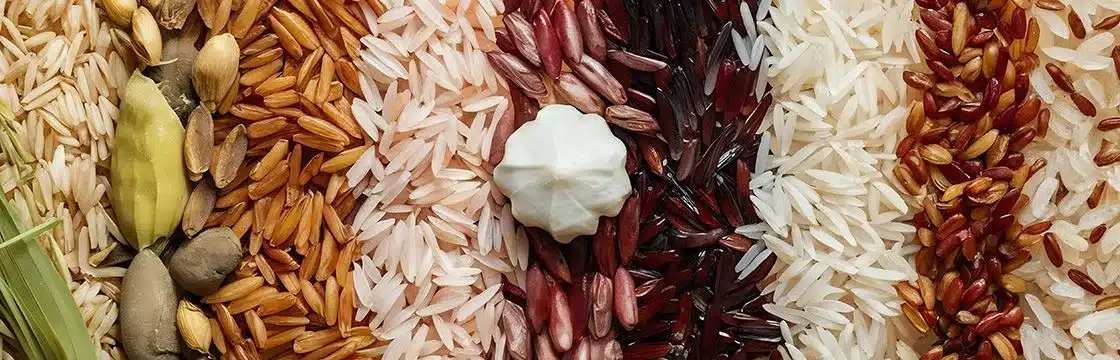
Biryani is one of those dishes that every region in India claims as its own, and rightfully so. Each state, city, or community has shaped the dish in a distinct direction, different spice blends, different cooking methods, different ratios of meat to rice. But there’s one variable that defines the character of each types of biryani more than any other: the rice variety used.
Most North Indian biryanis like Hyderabadi, Lucknowi, Kolkata, Delhi use aged long grain basmati biryani rice. South Indian styles like Thalassery and Ambur use short-grain aromatic varieties like Khyma and Seeraga Samba. Sindhi biryani also uses basmati. Each choice is deliberate, rooted in regional tradition and cooking technique.
Change the rice, and the biryani changes with it. The grain length, starch content, aroma, and moisture absorption rate all shape the final texture and flavour.
This India Gate Foods guide covers seven major types of biryani traditions and explains exactly which rice each uses, and why that match works.
Why Rice Variety Defines a Biryani’s Identity
Before jumping into the regional styles, it’s worth understanding why the rice choice matters so much. Biryani rice isn’t just a vehicle for spices, it’s an active ingredient. The grain’s starch structure determines whether grains stay separate or clump. Its aroma compounds either complement or compete with the spice masala. Its moisture absorption rate controls how much flavour it pulls in during dum cooking.
This is why a Hyderabadi biryani made with Jeerakasala rice would taste and feel fundamentally different from the same recipe made with aged basmati, even if every other ingredient stayed identical. If you’ve ever wondered what basmati biryani rice is best, the honest answer is: it depends entirely on which biryani you’re making. Rice variety isn’t a substitution decision; it’s a foundational one.
1. Hyderabadi Biryani: Aged Long Grain Basmati
| Region | Hyderabad, Telangana |
| Rice Used | Aged long grain basmati (extra-long variety preferred) |
| Cooking Method | Kacchi (raw) dum method |
| Flavour Profile | Bold, spicy, aromatic — saffron-tinted with caramelised onion |
Hyderabadi biryani is arguably the most recognised biryani style in India. What makes it technically demanding is the kacchi method: raw marinated meat and partially cooked rice are layered together and sealed, allowing the meat to cook entirely inside the pot. This means the rice needs to withstand a longer, more intense dum phase.
Aged long grain basmati is the only variety that holds up through this process. Fresher or shorter-grain rice would overcook and turn mushy before the meat is done. The extra-long grain variants, often labelled “Extra Long” or “1121” by rice producers, are particularly well-suited because their lower moisture content resists breakdown under extended steam.
The right Hyderabadi biryani masala paired with well-aged extra-long basmati is what gives this biryani its signature layered look, saffron-orange on white with grains that are long, separate, and fragrant. That visual contrast simply doesn’t work with short grain rice that clumps.
Not sure which basmati to pick up? Read our detailed guide on how to choose the best rice for biryani to understand grain length, aging, and what to look for on the label.
2. Lucknowi (Awadhi) Biryani: Aged Basmati, Delicately Flavoured
| Region | Lucknow, Uttar Pradesh |
| Rice Used | Aged long grain basmati |
| Cooking Method | Pakki (pre-cooked) dum method |
| Flavour Profile | Subtle, fragrant, mildly spiced — whole spices, kewra water |
If Hyderabadi biryani is bold, Lucknowi biryani is restrained. The Awadhi culinary tradition prioritised delicacy over intensity, meat and rice are cooked separately before being layered and given a short final dum. The spice profile is lighter, with kewra (screwpine) water and whole spices doing most of the aromatic work.
Because the rice is cooked before layering in the pakki method, it needs to arrive at the dum stage already al dente, firm but not raw. Aged basmati biryani rice absorbs just enough water during parboiling to be cooked through without becoming sticky. This allows it to finish in the dum without losing its structure.
The right Lucknowi biryani masala with aged basmati gives you the dish’s characteristic long, pristine white grains lightly gilded by ghee, a presentation that relies entirely on grain shape and separation, qualities short grain rice simply cannot offer.
3. Kolkata Biryani: Aged Basmati with a Potato Surprise
| Region | Kolkata, West Bengal |
| Rice Used | Aged long grain basmati |
| Cooking Method | Pakki dum method |
| Flavour Profile | Fragrant, lightly spiced, slightly sweet — uses nutmeg, kewra, potatoes |
Kolkata biryani evolved from Lucknowi biryani when the Nawab of Awadh was exiled to Bengal in the 19th century. Over time, the Kolkata version developed its own personality, lighter spicing, a sweeter undertone, and the distinctive addition of large potato pieces and boiled eggs alongside the meat.
The rice used remains aged basmati, consistent with its Awadhi origins. Kolkata-style rice tends to be cooked slightly softer than Hyderabadi versions, the spice balance demands a less assertive grain texture so the subtle fragrance of nutmeg and kewra comes through. The potatoes absorb the spiced cooking liquid generously, so the rice doesn’t need to do all the flavour-carrying work.
Using a quality Kolkata biryani masala with well-aged basmati brings out that characteristic soft sweetness and the delicate saffron tinge the dish is known for. It’s a gentler biryani than most, and the rice should match that energy, aged, aromatic, and never starchy.
4. Thalassery Biryani: Kaima (Jeerakasala) Rice
| Region | Thalassery, Kerala |
| Rice Used | Khyma rice / Jeerakasala rice (small-grained, aromatic) |
| Cooking Method | Dum method, but with coconut oil |
| Flavour Profile | Rich, coconutty, heavily spiced — cloves, cardamom, Malabar pepper |
Thalassery biryani from northern Kerala is the most prominent example of a major Indian biryani that deliberately avoids basmati. Instead, it uses Kaima rice (also called Jeerakasala), a small, slender, highly aromatic grain native to the Malabar region. Despite being shorter than basmati, Khyma has a distinct fragrance, often described as cumin-like, which is where the alternate name comes from.
Thalassery biryani is cooked in coconut oil rather than ghee, and the spice profile leans heavily on Malabar black pepper, cloves, and cardamom. The Khyma grain is well-suited to this cooking because it absorbs the coconut oil and spice infusion completely without becoming mushy, it produces a more compact, moist biryani compared to the drier, fluffier North Indian versions.
This is a case where substituting basmati biryani rice would actually produce the wrong result. The biryani would come out too dry and fluffy, losing the characteristic denseness that Thalassery biryani is known for. When people ask what is the best rice for biryani in a Kerala-style cook, Kaima rice is the only real answer.
5. Ambur Biryani: Seeraga Samba Rice
| Region | Ambur, Tamil Nadu |
| Rice Used | Seeraga Samba rice (small, aromatic) |
| Cooking Method | Kacchi-style dum, cooked together |
| Flavour Profile | Spicy, tangy, red chilli-forward — onion tomato base |
Ambur biryani from Tamil Nadu uses Seeraga Samba rice, another small-grained, fragrant variety. “Seeraga” translates to cumin in Tamil, referencing the grain’s shape and the subtle spiced aroma it carries. The grain is shorter and rounder than basmati but has a firm texture that handles the aggressive spice profile without breaking down.
Ambur biryani is intensely spiced with red chillies and has a tangy kick from tomatoes. The Seeraga Samba grain plays a moderating role here, its compact size means less surface area to absorb the sour notes, giving the overall dish a better-balanced flavour. A long grain basmati biryani rice in the same recipe would absorb the tomato acidity differently and result in a less cohesive flavour.
6. Sindhi Biryani: Long Grain Basmati with Bold Spicing
| Region | Sindh (Pakistan / Sindhi diaspora, India) |
| Rice Used | Long grain basmati |
| Cooking Method | Pakki dum method |
| Flavour Profile | Spicy, tangy, aromatic — dried plums (aloo bukhara), mint, yoghurt |
Sindhi biryani is less discussed in Indian food conversations but has a devoted following in the Sindhi community and in Pakistani cooking traditions. It’s cooked pakki-style and is characterised by bold spicing, more aggressive than Lucknowi but without the extreme heat of Ambur. The inclusion of dried plums (aloo bukhara) adds a sourness that distinguishes it from other styles.
Long grain basmati biryani rice is used here because the firmer grain texture holds up against the acidic cooking environment, yoghurt, dried plum, tomatoes, without turning soft. The rice is parboiled separately with whole spices before layering, and the final dum allows the flavours to integrate without overcooking the grain.
7. Dindigul Biryani — Seeraga Samba or Jeera Rice
| Region | Dindigul, Tamil Nadu |
| Rice Used | Seeraga Samba or Jeera rice |
| Cooking Method | Pressure cooker or open pot — no traditional dum seal |
| Flavour Profile |
Spicy, garlicky, tangy — cube or seeraga samba lamb |
Dindigul biryani from Tamil Nadu is cooked using small-grained Seeraga Samba or Jeera rice, and it’s often made in a pressure cooker or open pot rather than a sealed dum. The result is a denser, more integrated rice-and-meat dish compared to the fluffy separation you’d see in a Hyderabadi or Lucknowi biryani.
The biryani uses cube-cut mutton and a distinctly garlicky, spicy masala base. The short grain rice is ideal here because it absorbs the cooking liquid completely, leaving a slightly moist, intensely flavoured dish. This style is less about grain separation and more about every grain being fully saturated with the masala.
A Quick Reference: Regional Biryani Styles and Their Rice
|
Biryani Style |
Region |
Rice Used |
Grain Type |
Cooking Method |
| Hyderabadi | Telangana | Aged basmati (extra long) | Long grain | Kacchi dum |
| Lucknowi (Awadhi) | Uttar Pradesh | Aged basmati | Long grain | Pakki dum |
| Kolkata | West Bengal | Aged basmati | Long grain | Pakki dum |
| Thalassery | Kerala | Khyma / Jeerakasala | Short/medium grain |
Dum (coconut oil) |
| Ambur | Tamil Nadu | Seeraga Samba |
Short grain |
Kacchi dum |
| Sindhi | Sindh / Diaspora | Long grain basmati |
Long grain |
Pakki dum |
| Dindigul | Tamil Nadu | Seeraga Samba / Jeera |
Short grain |
Open pot / pressure |
How to Choose the Right Rice for Your Biryani Style
The rule of thumb is simple: follow the regional tradition. If you’re making a Hyderabadi, Lucknowi, Kolkata, or Sindhi biryani, use aged long grain basmati rice. If you’re making a Thalassery, Ambur, or Dindigul biryani, source the correct regional variety, Khyma or Seeraga Samba.
Where people go wrong is applying North Indian logic to South Indian biryani, using basmati for a Thalassery recipe and then wondering why it doesn’t taste right. The reverse is equally problematic. Each rice variety has been matched to its biryani style over generations of cooking, and that match isn’t arbitrary.
For the North Indian styles that require basmati, grain quality and aging make a significant difference. A well-aged basmati, properly processed and stored, cooks noticeably better than fresh rice. Understanding what to look for before buying is worth the time.
The Bottom Line
Indian biryani is not one dish, it is a family of regional recipes shaped by geography, cultural history, and local ingredients. The rice chosen for each style is just as important as the spices used in the preparation. Understanding which grain suits each type of biryani style not only improves cooking results but also highlights the culinary traditions behind every recipe.
Whether you are preparing a Hyderabadi kacchi biryani with aged long grain basmati rice, using India Gate Foods Hyderabadi Biryani Masala, Lucknowi Biryani Masala, or Kolkata Biryani Masala, or choosing Seeraga Samba rice for Ambur-style biryani, starting with the right rice and authentic biryani masala makes every layer of flavour come together perfectly.
FAQ
Which biryani uses the longest grain rice?
Hyderabadi biryani typically uses the longest grain basmati, often the 1121 or extra-long grain variety, which can elongate to over 20 mm when cooked. The kacchi method and extended dum phase make extra-long grain ideal, as it resists breakdown better than standard long grain during the longer cooking time.
Is basmati rice mandatory for biryani?
No, basmati is not mandatory for all biryani styles. South Indian biryanis like Thalassery and Ambur are traditionally and correctly made with regional short-grain varieties. Basmati is the right choice specifically for North Indian and some Mughal-influenced biryani traditions.
Can I use Seeraga Samba rice for Hyderabadi biryani?
You can, but the result will be noticeably different, more moist and compact, with less grain separation. Seeraga Samba absorbs spices differently and doesn’t elongate the way basmati does. For an authentic Hyderabadi biryani, aged extra-long basmati is the right choice.
Why does Kolkata biryani include potatoes?
The Nawab of Awadh, exiled to Bengal in the 19th century, adapted the Lucknowi biryani to local tastes and available ingredients. Potatoes were added as an extender and eventually became a signature of the style. The potato absorbs the saffron and spice-infused cooking liquid beautifully and has remained a defining element of Kolkata biryani ever since.
What makes basmati better for dum cooking than other rice?
Basmati’s high amylose content (23–26%) resists gelatinisation under steam, meaning grains stay firm and separate during the sealed dum phase. Its low moisture content, a result of proper aging, further reduces the risk of over-softening. covers these properties and their practical cooking implications in full.
What is the best rice for biryani at home?
It depends on the style. For Hyderabadi, Lucknowi, Kolkata, or Sindhi biryani, aged extra-long grain basmati is the best rice for biryani. For South Indian styles, source the regional grain, Khyma for Thalassery, Seeraga Samba for Ambur and Dindigul. Using the right grain for the right style is the single biggest upgrade you can make to your biryani at home.
Category: Blogs