
Which Basmati Rice is Best for Cooking?

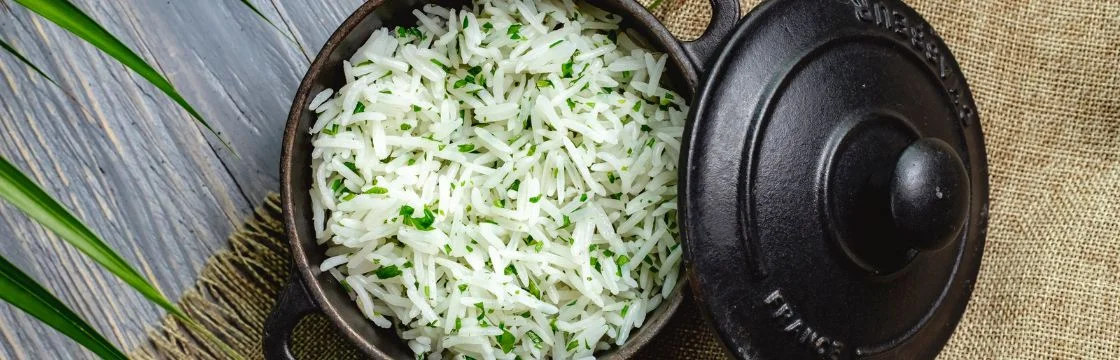
If you’re wondering which basmati rice is best for cooking, the answer depends on the dish you’re making. Extra-long grain aged basmati is ideal for biryani and pulao, golden sella basmati works well for bulk cooking, brown basmati is best for nutrition-focused meals, and everyday white basmati is perfect for daily use. The best basmati rice should cook fluffy, aromatic, and separate without becoming sticky.
- Best basmati for biryani: Extra-long aged basmati rice
- Best basmati for daily meals: Classic white basmati rice
- Best for meal prep: Golden sella basmati rice
- Best for health-conscious cooking: Brown basmati rice
- Best overall: Premium aged long-grain basmati rice
Why Choosing the Right Basmati Rice Matters
Not all basmati rice cooks the same way. Some varieties become extra long and fluffy after cooking, while others are softer, nuttier, or better suited for regular meals.
I’ve seen many home cooks assume all basmati rice is identical, then wonder why their biryani turns soft or their rice sticks together. Usually, the issue is not cooking skill. It’s rice selection.
The right rice gives you:
- Better aroma
- Separate grains after cooking
- Improved texture
- Better absorption of spices
- More satisfying meals
If you’re new to this category, our Basmati Rice Guide: Benefits, Types, Nutrition & Best Uses Explained can help you understand the basics before choosing a type.
Which Basmati Rice is Best for Cooking Different Dishes?
1. Best Basmati Rice for Biryani
For biryani, choose:
- Extra-long grain basmati
- Aged basmati (1–2 years matured)
- Low moisture content
- Strong aroma
These grains stay separate during dum cooking and expand beautifully.
Best choice: Premium aged basmati rice such as festive or biryani-focused varieties from India Gate Foods.
2. Best for Daily Home Cooking
If you cook rice often for dal, curry, sabzi, or grilled dishes, classic white basmati is usually the smartest option.
It cooks faster, tastes light, and works with almost everything.
Best choice: Standard white long-grain basmati.
3. Best for Restaurants or Bulk Cooking
Golden sella basmati is partially parboiled, making it stronger and less likely to break.
That means:
- Great for buffets
- Ideal for catering
- Holds texture longer
- Reheats well
Best choice: Golden sella basmati rice.
4. Best Basmati Rice for Health-Focused Meals
Brown basmati rice keeps the bran layer intact, so it contains more fiber and nutrients than polished white rice.
It has a nuttier taste and firmer bite.
If nutrition matters most, read What is the Nutritional Value of Basmati Rice?
Best choice: Brown basmati rice.
How to Compare Different Rice Options
There are many rice varieties available in stores. If you are deciding between options, it helps to understand how grain length, aroma, aging, and texture affect cooking results.
For a deeper comparison, explore What Are the Types of Basmati Rice?
How to Identify Good Quality Basmati Rice
When buying basmati rice, check these signs:
Look for:
- Long slender grains
- Natural aroma even before cooking
- Minimal broken grains
- Label mentions aged or matured
- Uniform grain size
- Trusted packaging brand
Avoid:
- Too many broken grains
- No aroma
- Powdery residue
- Mixed grain sizes
Here’s the truth: cheap rice often looks similar in the packet but performs very differently in the pot.
How to Cook Basmati Rice Perfectly
Even premium rice can fail if cooked poorly.
For best results:
- Rinse 2–3 times
- Soak for 20–30 minutes
- Use correct water ratio
- Cook on low heat
- Rest for 10 minutes before fluffing
For full instructions, read How to Cook Basmati Rice Perfectly: Step-by-Step Guide
Final Verdict: Which Basmati Rice is Best for Cooking?
If recommending one option for most households, premium aged long-grain basmati rice is often the best all-round choice. It balances aroma, texture, appearance, and versatility.
But if your focus is whole grain meals, brown basmati is a smart option. If budget and daily use matter most, classic white basmati remains an excellent everyday choice.
The best rice is not always the most expensive one, it is the one that matches what you cook most often.
With the wide range available from India Gate Foods, it becomes easier to choose rice that fits your kitchen and cooking style.
FAQs
Is aged basmati rice better?
Yes, aging helps reduce moisture in the grain, allowing rice to cook longer, fluffier, and more separate. It is especially preferred for biryani and pulao.
Which basmati rice smells the best?
Premium aged basmati usually has the strongest natural aroma.
Is brown basmati healthier than white basmati?
Brown basmati contains more fiber because it keeps the bran layer. White basmati is softer and quicker to cook, so the best choice depends on your preference.
Which basmati rice is best for biryani at home?
Extra-long aged basmati rice is usually the best choice for biryani because it gives separate grains, rich aroma, and a premium final presentation.
Can I use daily basmati for biryani?
Yes, you can use daily basmati rice, but the grains may be shorter and softer compared to premium aged varieties.
Why choose India Gate Foods basmati rice?
India Gate Foods offers a trusted range of rice varieties for daily cooking, biryani, festive meals, and whole grain preferences, helping households choose the right rice for every occasion.
Category: Blogs