
Complete Guide to Biryani Rice: Which Type and Variety to Choose

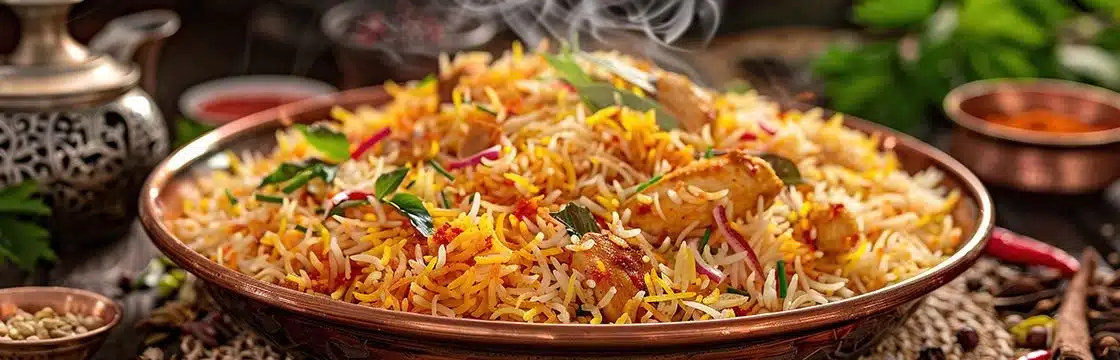
The best rice for biryani is aged, long-grain basmati rice because it cooks into separate, fluffy, aromatic grains that can absorb spices without becoming sticky or mushy. For dum biryani, choose extra-long aged basmati with firm grain strength; for delicate styles like Lucknowi biryani, choose a highly aromatic basmati variety.
What Makes Basmati the Best Rice for Biryani?
Basmati is the best rice for biryani because its unique aging process reduces moisture, allowing grains to elongate up to twice their original length when cooked. This creates a fluffy, non-sticky texture that perfectly absorbs marinades and whole spices without turning into a mushy clump.
When you are cooking a complex dish like biryani, the texture of your grain can make or break the meal. A proper biryani requires grains that stand distinct and separate, acting as a canvas for the robust flavors of meat, vegetables, saffron, and spices. Regular short-grain rice tends to release too much starch, leading to a sticky texture that clumps together.
For a deeper dive into the nutritional aspects and other applications, check out our Basmati rice guide: benefits, types, nutrition.
Which Variety of Biryani Rice Should You Choose?
Choosing the right and best rice for biryani depends on your regional recipe. Hyderabadi biryani requires robust, extra-long grains to withstand slow dum cooking, while Lucknowi biryani favors delicate, highly aromatic grains that complement its subtle, slow-cooked broth and gentle spice profile.
India has a rich tapestry of biryani styles, and matching the grain to the dish is the secret of expert chefs.
| Biryani Style | Best Rice Type | Why It Works |
|
Hyderabadi Biryani |
Extra-long aged basmati |
Holds shape during dum cooking and absorbs strong spices |
|
Lucknowi Biryani |
Aromatic aged basmati |
Complements subtle yakhni, kewra, and rose flavors |
|
Kolkata Biryani |
Long-grain basmati |
Balances mild spices, potato, and meat flavors |
|
Home-style Veg Biryani |
Aged basmati |
Gives fluffy, separate grains with less breakage |
If you want more detailed tips on selecting the perfect pack at the store, read our dedicated guide on how to choose the best basmati rice for biryani
How Do You Prepare Biryani Rice Before Cooking?
To prepare biryani rice perfectly, you must wash the grains gently until the water runs clear, then soak them in room temperature water for 30 to 45 minutes. This crucial step softens the grain, ensures even cooking, and prevents breakage during the boiling process.
Proper preparation is just as important as buying the best rice for biryani. Here is a quick checklist for home cooks:
- Rinse Gently: Use a soft hand to wash the rice. Vigorous rubbing breaks the delicate grains.
- Soak Religiously: Never skip the soaking phase. It kickstarts the hydration process, allowing the grain to reach its maximum length.
- Boil with Aromatics: When parboiling, flavor the water heavily with salt, green cardamom, cloves, and a dash of oil or ghee to keep the grains separate.
Common Mistakes When Cooking Biryani Rice
The most common mistake when cooking biryani rice is over-boiling during the parboiling stage. Rice should only be cooked to 70 percent doneness before layering, allowing the final slow dum cooking process to finish steaming the grains gently without ever turning them into mush.
Other common pitfalls include:
- Not adding enough salt to the boiling water (the water should taste as salty as the sea).
- Using freshly harvested rice instead of aged basmati (new rice holds too much moisture).
- Stirring the rice too frequently while it boils, which breaks the elongated grains.
The India Gate Basmati Rice Advantage for Your Next Biryani
When you invest time and love into crafting a biryani, the foundational ingredient cannot be compromised. India Gate Foods provides perfectly aged basmati that guarantees the quintessential biryani experience, delivering the longest, most aromatic, and non-sticky rice possible for your festive feasts.
Our grains are meticulously sorted to ensure you get the absolute best quality, whether you are preparing a Sunday family lunch or hosting a massive celebration.
Summary: Crafting the Perfect Biryani
Creating a masterpiece in the kitchen starts with selecting the right foundation. Authentic Biryani Rice is non-negotiable if you want long, distinct, and flavorful grains. By matching the specific variety to your regional recipe, be it a robust Hyderabadi dum or a delicate Lucknowi feast, and following proper soaking and parboiling techniques, you can confidently serve a dish that delights the senses and brings people together.
FAQs
Which rice is best for biryani?
Aged long-grain basmati rice is best for biryani because it cooks into long, separate, fluffy grains without becoming sticky. Its natural aroma complements spices, saffron, meat, and vegetables beautifully. Aged basmati also absorbs flavor well during dum cooking while maintaining its shape and texture.
Is basmati rice necessary for biryani?
Basmati rice is strongly recommended for authentic biryani because it provides the classic long-grain texture, fragrance, and lightness associated with the dish. While other rice types can be used, they may become sticky or heavy. For restaurant-style biryani, aged basmati rice gives the best result.
How long should basmati rice be soaked for biryani?
Basmati biryani rice should usually be soaked for 30 to 45 minutes before cooking biryani. Soaking helps the grains absorb water evenly, expand properly, and cook without breaking. After soaking, drain the rice well before parboiling so the grains remain separate and firm during layering.
Should biryani rice be fully cooked before dum?
No, biryani rice should not be fully cooked before dum. It is usually parboiled to about 70 percent doneness, then layered with meat, vegetables, or masala. The remaining cooking happens during dum, allowing the rice to absorb steam, aroma, and flavor without becoming mushy.
Why does biryani rice become sticky?
Biryani rice becomes sticky when it is overcooked, not rinsed properly, or made with freshly harvested rice that contains excess moisture. Stirring too often while boiling can also break the grains and release starch. Washing, soaking, and using aged basmati rice help keep biryani grains separate.
Category: Blogs