
How to Cook Basmati Rice Perfectly (Step-by-Step Guide)

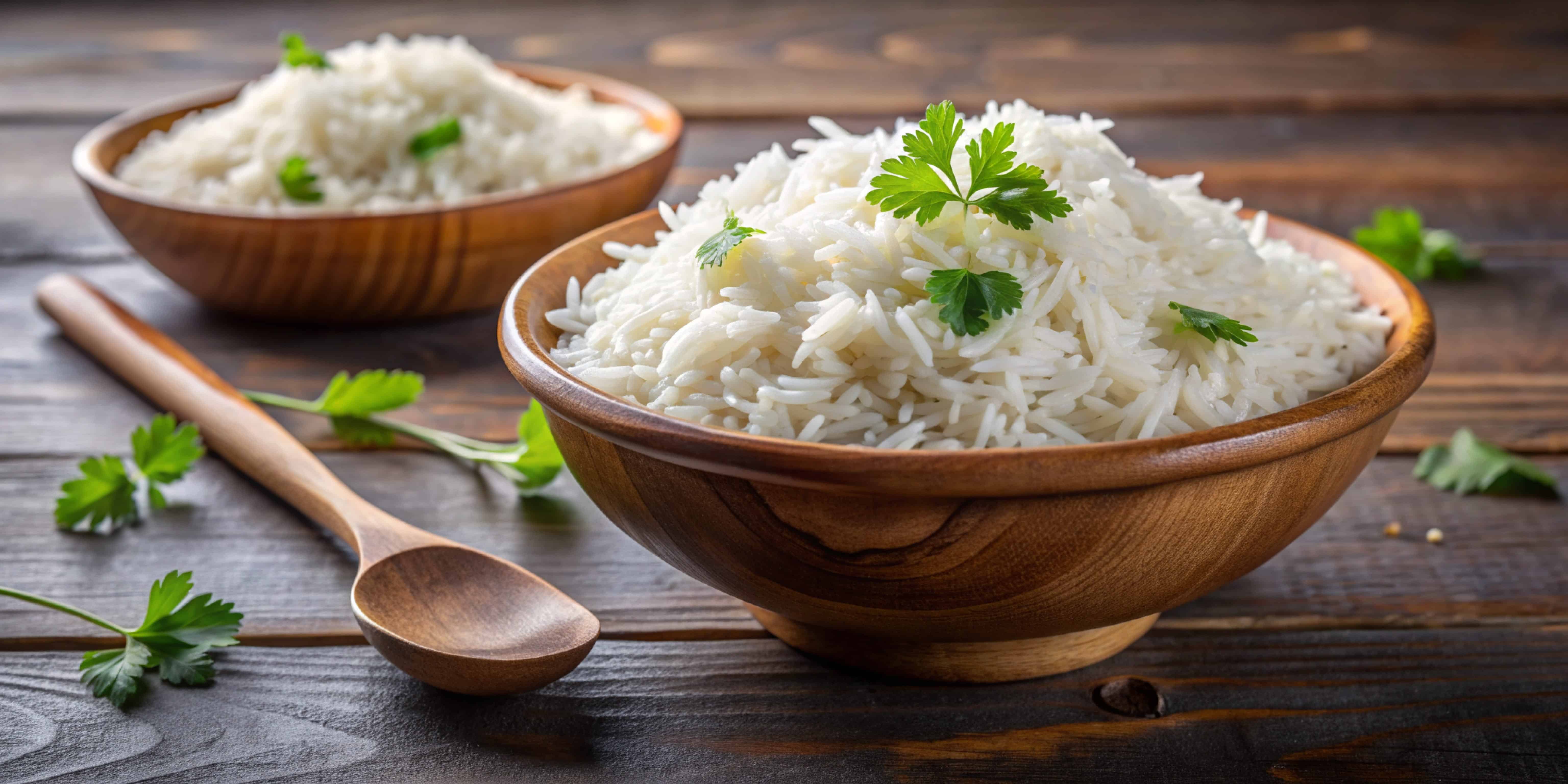
To cook Basmati rice perfectly, rinse the rice thoroughly, soak it for about 20–30 minutes, and cook it using the right water-to-rice ratio. When prepared correctly, basmati rice becomes long, fluffy, and non-sticky. Using high-quality rice from trusted brands like India Gate can also help achieve better aroma, grain length, and texture.
Rice is one of the most common foods prepared in kitchens around the world. However, cooking basmati rice perfectly can sometimes be challenging. If the water ratio is incorrect or the rice is not prepared properly, the grains may turn sticky or overcooked.
Fortunately, by following a few simple steps, you can cook fluffy and aromatic basmati rice every time.
Why Basmati Rice Needs a Different Cooking Method
Basmati rice is different from many other rice varieties because of its long and slender grains. During cooking, these grains expand lengthwise and remain separate rather than clumping together.
Because of this unique grain structure, basmati rice requires proper preparation and the correct cooking method. When cooked properly, the rice becomes:
- Light and fluffy
- Aromatic
- Long and separate
Using high-quality basmati rice from brands like India Gate can also improve the cooking results, as well-aged rice usually cooks more evenly and delivers better texture.
Step 1: Rinse the Basmati Rice Properly
The first step to cooking perfect basmati rice is rinsing the rice thoroughly.
Place the rice in a bowl and rinse it with clean water two to three times. Gently swirl the grains with your hands and drain the cloudy water each time.
Rinsing helps remove excess starch from the surface of the grains. This step is important because too much starch can make the rice sticky during cooking.
Once the water becomes mostly clear, the rice is ready for the next step.
Step 2: Soak the Rice Before Cooking
Soaking is an important step when preparing basmati rice.
After rinsing, soak the rice in water for 20 to 30 minutes. This allows the grains to absorb some moisture before cooking.
Benefits of soaking basmati rice include:
- Helps the grains cook evenly
- Improves grain elongation
- Reduces cooking time
Soaking also helps the rice become longer and fluffier, which is a key characteristic of well-cooked basmati rice.
Step 3: Use the Correct Water-to-Rice Ratio
The water-to-rice ratio plays a major role in cooking basmati rice properly.
For most cooking methods, the recommended ratio is:
1 cup of basmati rice : 1.5 to 2 cups of water
The exact amount of water may vary slightly depending on the cooking method or rice variety.
Using the correct ratio ensures that the rice cooks evenly without becoming too dry or overly soft.
Step 4: Cook the Rice Using the Right Technique
After soaking the rice and measuring the water correctly, it is time to cook the rice.
Follow these simple steps:
- Add water to a pot and bring it to a boil.
- Add the soaked basmati rice and stir gently.
- Reduce the heat and cover the pot with a lid.
- Let the rice cook for 10–12 minutes on low heat.
- Turn off the heat and allow the rice to rest for a few minutes.
After cooking, gently fluff the rice with a fork. This helps separate the grains and maintain the fluffy texture.
Common Mistakes to Avoid When Cooking Basmati Rice
Even small mistakes can affect the final result when cooking basmati rice. Some common mistakes include:
- Skipping the rinsing step
- Not soaking the rice
- Using too much water
- Stirring the rice too often during cooking
Avoiding these mistakes can help ensure that the rice turns out fluffy and well-cooked.
Tips for Fluffy and Aromatic Basmati Rice
Here are a few additional tips that can help you cook better basmati rice:
- Always use good-quality basmati rice
- Measure the rice and water accurately
- Cook the rice on low heat after boiling
- Let the rice rest for a few minutes after cooking
These small steps can make a big difference in achieving perfectly cooked rice.
Why Quality Rice Matters for Perfect Cooking
The quality of rice plays an important role in the final texture and flavor of the dish. High-quality basmati rice typically has long grains, natural aroma, and consistent cooking performance.
Trusted brands like India Gate are known for offering carefully sourced and aged basmati rice. This ensures that the grains cook evenly and deliver the long, fluffy texture and rich aroma that basmati rice is famous for.
Choosing quality rice makes it easier to prepare delicious rice dishes at home.
FAQs
What is the best water ratio for basmati rice?
The commonly recommended ratio for cooking Basmati rice is 1 cup of rice to 1.5–2 cups of water. This ratio helps the grains cook evenly without becoming too soft or sticky. The exact amount may vary slightly depending on the cooking method, but using the correct ratio is important for achieving fluffy and well-separated basmati rice.
Should basmati rice always be soaked before cooking?
Yes, soaking basmati rice before cooking is highly recommended. Soaking the rice for about 20–30 minutes allows the grains to absorb water and expand properly during cooking. This step also helps improve grain elongation, reduce cooking time, and create the fluffy texture that basmati rice is known for.
Why does basmati rice become sticky sometimes?
Basmati rice may become sticky if excess starch is not removed before cooking or if too much water is used. Skipping the rinsing step can also cause the grains to clump together. To prevent this, rinse the rice thoroughly, soak it before cooking, and follow the correct water-to-rice ratio.
How long should basmati rice cook?
Most basmati rice varieties cook in about 10–12 minutes once the water starts boiling and the heat is reduced. After cooking, it is helpful to let the rice rest for a few minutes before fluffing it with a fork. This allows the grains to firm up slightly and remain separate.
Category: Blogs