
How to Choose the Best Basmati Rice for Biryani

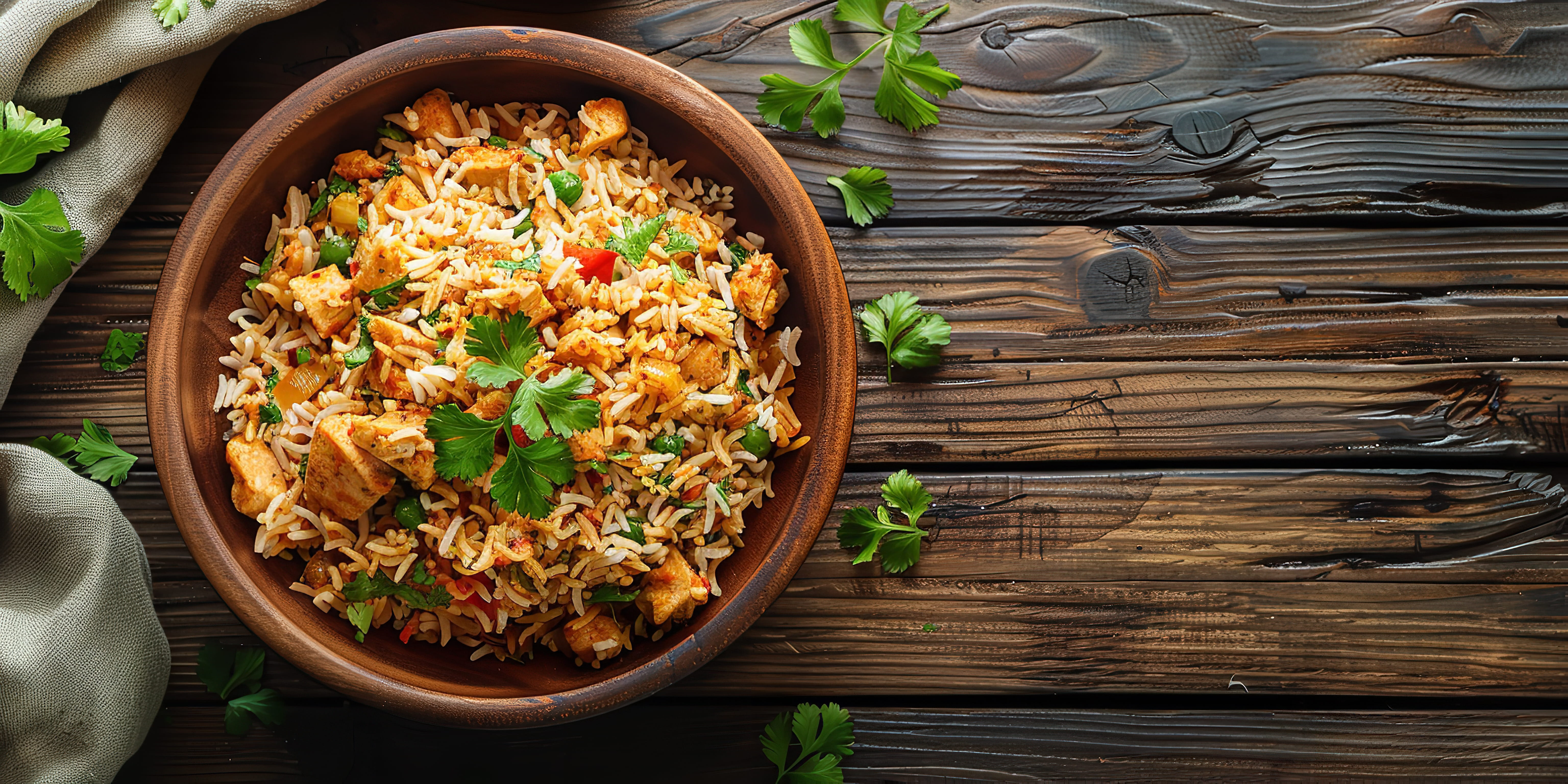
To choose the best Basmati rice for biryani, look for extra-long grains, aged rice, natural aroma, minimal broken grains, and uniform grain size. Premium brands such as India Gate offer carefully aged basmati rice that cooks into fluffy, separate grains, perfect for authentic biryani recipes.
Biryani is one of the most loved rice dishes, known for its rich spices and layered flavors. While spices and cooking techniques are essential, selecting the right basmati rice plays a crucial role in achieving perfect results.
Selecting the right basmati rice ensures that the grains remain long, separate, and aromatic after cooking.
Choose Extra-Long Grain Rice
The first factor to consider when choosing basmati rice for biryani is grain length.
Extra-long grains:
- Expand beautifully during cooking
- Remain separate and fluffy
- Improve the presentation of biryani
Premium basmati rice from brands like India Gate is known for its impressive grain length and consistent cooking quality.
Select Aged Basmati Rice
Aged basmati rice is widely regarded as the best option for biryani. During the aging process, rice grains lose excess moisture, which improves their cooking performance.
Benefits of aged basmati rice include:
- Better grain elongation
- Improved aroma
- Fluffier texture after cooking
Because of these advantages, many experienced cooks prefer aged rice for preparing traditional biryani dishes. Brands such as India Gate often emphasize aging to ensure better cooking results.
Check the Natural Aroma
Authentic basmati rice has a mild natural fragrance even before cooking. Once cooked, the aroma becomes stronger and blends beautifully with biryani spices.
Rice that lacks fragrance may not deliver the same flavor experience.
Look for Uniform Grain Appearance
Before buying basmati rice, examine the grains carefully. High-quality rice typically has:
- Long and slender grains
- Uniform size
- Minimal broken pieces
This ensures consistent cooking and better presentation in dishes like biryani.
Choose Trusted Brands
Selecting rice from reputable brands can help ensure consistent quality. Established brands follow strict sourcing and processing standards, which improves the reliability of the product.
For example, India Gate has built a reputation for providing premium basmati rice varieties that are suitable for a wide range of traditional dishes, including biryani.
Soaking Tip for Perfect Biryani
To achieve the best results, soak basmati rice for about 20–30 minutes before cooking. Soaking helps the grains absorb water evenly and elongate properly during cooking.
With the right rice and proper preparation, you can easily create restaurant-style biryani at home.
Final Thoughts
Choosing the right basmati rice can make a noticeable difference in the flavor, aroma, and texture of biryani. By selecting extra-long, aged, aromatic rice from trusted brands like India Gate, you can create a dish that looks appealing and tastes authentic.
With the right rice and cooking technique, preparing restaurant-style biryani at home becomes much easier.
FAQs
What type of basmati rice is best for biryani?
The best Basmati rice for biryani is extra-long grain aged basmati rice. Long grains expand beautifully during cooking and stay separate rather than clumping together. Aged rice also absorbs spices better and enhances the aroma of the dish. Choosing high-quality basmati rice ensures that your biryani looks appealing and has the authentic texture expected in traditional recipes.
Why is aged basmati rice preferred for biryani?
Aged basmati rice has lower moisture content compared to freshly harvested rice. This helps the grains cook evenly, remain fluffy, and elongate properly. Aging also improves the aroma and texture of the rice. Because biryani requires rice grains that stay separate and absorb spices well, aged basmati rice is widely considered the best option for preparing this classic dish.
How can I identify good quality basmati rice?
You can identify good quality basmati rice by checking a few key characteristics. The grains should be long, slender, and uniform in size, with very few broken pieces. High-quality basmati rice also has a mild natural aroma even before cooking. Checking packaging information such as grain length and aging details can also help ensure you are selecting premium basmati rice.
Should basmati rice be soaked before cooking biryani?
Yes, soaking basmati rice for about 20–30 minutes before cooking is highly recommended for biryani. Soaking allows the grains to absorb water evenly, which helps them cook uniformly and elongate properly. This step also reduces cooking time and improves the overall texture of the rice, helping you achieve fluffy and well-separated grains in your biryani.
Category: Blogs